
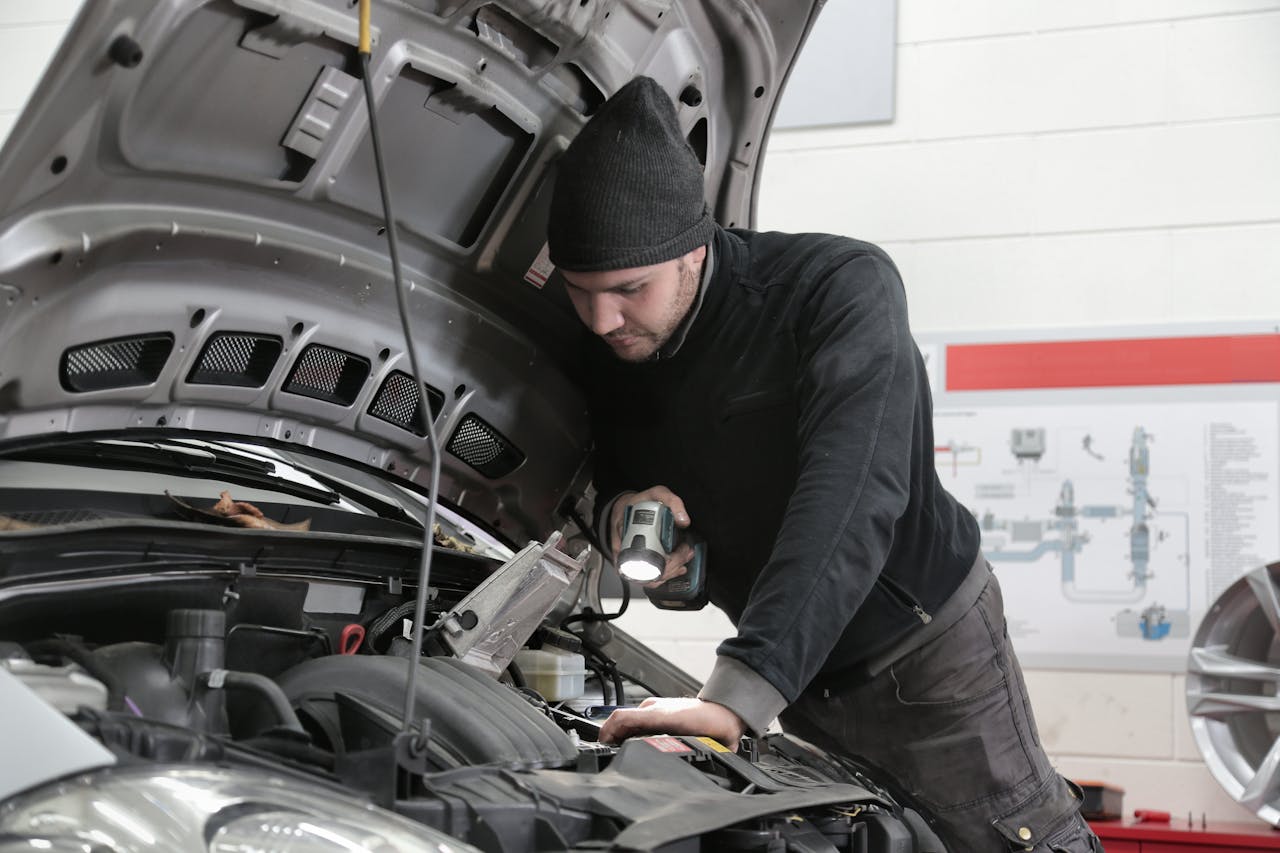
When it comes to ensuring the longevity and reliability of your vehicle, regular maintenance and prompt repairs are crucial. We understand the importance of keeping your ride in top shape, and we’re here to provide you with valuable insights into general auto repair. This comprehensive guide will cover everything from routine maintenance to common repairs, helping you navigate the world of auto care with confidence.
Understanding the Importance of Regular Maintenance
Why Routine Maintenance Matters
Routine maintenance is the cornerstone of vehicle longevity. Just like any machine, your car requires regular attention to function optimally. Neglecting maintenance can lead to a host of problems, including decreased performance, reduced fuel efficiency, and even catastrophic failures. Here are some key reasons why routine maintenance is essential:
- Prevention of Major Issues: Regular check-ups can help identify potential problems before they escalate. For instance, a simple oil change can prevent engine wear and tear, saving you from costly repairs down the line.
- Improved Safety: A well-maintained vehicle is safer to drive. Regular inspections of brakes, tires, and lights ensure that your vehicle is roadworthy and reduces the risk of accidents.
- Enhanced Resale Value: If you plan to sell your vehicle in the future, a history of regular maintenance can significantly enhance its resale value. Buyers are more inclined to purchase a car with a documented maintenance history.
- Better Fuel Efficiency: Routine maintenance, such as air filter replacement and tire rotation, can improve your vehicle’s fuel efficiency, saving you money at the pump.
Key Maintenance Tasks to Consider
To keep your vehicle in top shape, consider the following essential maintenance tasks:
- Oil Changes: Regular oil changes are vital for engine health. Depending on your vehicle and driving habits, oil changes should be performed every 3,000 to 7,500 miles.
- Tire Maintenance: Regularly checking tire pressure, rotating tires, and replacing them when worn out can improve traction and fuel efficiency.
- Brake Inspections: Brakes are critical for safety. Regular inspections can help identify issues like worn brake pads or low brake fluid levels.
- Fluid Checks: Regularly checking and topping off fluids, including coolant, transmission fluid, and brake fluid, is essential for optimal vehicle performance.
- Battery Maintenance: Inspecting the battery for corrosion and ensuring it holds a charge can prevent unexpected breakdowns.
- Filter Replacements: Air filters, cabin filters, and fuel filters should be replaced according to the manufacturer’s recommendations to ensure optimal performance.
Common Auto Repairs and How to Handle Them
Even with diligent maintenance, repairs are sometimes necessary. Here are some common auto repairs and tips on how to handle them effectively:
1. Brake Repairs
Brakes are one of the most critical components of your vehicle. If you experience squeaking, grinding, or a soft brake pedal, it’s time to have your brakes inspected.
- Signs of Brake Problems: Pay attention to unusual noises, vibrations, or a decrease in braking performance. These are often indicators that your brake pads or rotors need attention.
- What to Expect: A brake inspection typically involves checking the pads, rotors, brake fluid, and lines. Depending on the condition, you may need a simple pad replacement or a more extensive brake job.
2. Engine Repairs
The engine is the heart of your vehicle, and any issues can lead to significant problems. Common engine problems include overheating, poor performance, and unusual noises.
- Signs of Engine Trouble: Look out for warning lights on your dashboard, strange sounds, or a decrease in power. If you notice any of these symptoms, it’s crucial to seek professional help.
- What to Expect: Engine repairs can range from minor fixes, like replacing spark plugs, to major overhauls. A thorough diagnostic will help pinpoint the issue.
3. Transmission Repairs
Transmission issues can be complex and expensive to repair. Signs of transmission problems include slipping gears, delayed engagement, and fluid leaks.
- Signs of Transmission Trouble: If you experience rough shifting, unusual noises, or a burning smell, it’s essential to have your transmission inspected.
- What to Expect: A transmission service may involve fluid changes, filter replacements, or, in severe cases, a complete rebuild.
4. Electrical System Repairs
Modern vehicles rely heavily on electrical systems for everything from starting the engine to powering the entertainment system. Common electrical issues include dead batteries, faulty alternators, and blown fuses.
- Signs of Electrical Problems: If you notice dimming lights, a slow-starting engine, or malfunctioning electronics, it’s time to investigate.
- What to Expect: Electrical repairs can range from simple battery replacements to complex wiring repairs. A professional technician can diagnose and resolve these issues efficiently.
5. Suspension and Steering Repairs
The suspension and steering systems of your vehicle are crucial for maintaining control and comfort while driving. Problems in these systems can lead to uneven tire wear, poor handling, and a bumpy ride.
- Signs of Suspension and Steering Issues: If you notice your vehicle pulling to one side, experiencing excessive bouncing or swaying, or if you hear clunking noises when going over bumps, it’s time to have your suspension and steering checked.
- What to Expect: A thorough inspection will include checking the shocks or struts, control arms, tie rods, and bushings. Depending on the diagnosis, repairs may involve replacing worn parts or making adjustments to align the wheels.
The Role of Professional Mechanics
While some vehicle maintenance tasks can be performed by car owners, many repairs require the expertise of a professional mechanic. Here’s why relying on a professional is often the best choice:
Expertise and Experience
Professional mechanics have the training and experience necessary to diagnose and repair a wide range of automotive issues. They are familiar with the latest technologies and repair techniques, ensuring that your vehicle receives the best possible care.
Access to Advanced Tools
Modern vehicles are equipped with sophisticated technology that often requires specialized tools for repairs. Professional mechanics have access to these tools, allowing them to perform repairs efficiently and accurately.
Warranty Considerations
If your vehicle is still under warranty, attempting to perform repairs yourself may void the warranty. Professional mechanics are familiar with warranty requirements and can ensure that your vehicle remains covered.
Time and Convenience
Repairing a vehicle can be time-consuming, especially if you lack the necessary tools and experience. Professional mechanics can complete repairs more quickly, allowing you to get back on the road without unnecessary delays.
DIY vs. Professional Repairs: When to Choose What
While some auto repairs are best left to the professionals, there are several tasks that car owners can handle themselves. Here’s a breakdown to help you decide when to take the DIY route and when to seek professional help:
DIY Tasks
- Oil Changes: Changing your vehicle’s oil is a straightforward task that many car owners can perform. Just be sure to follow the manufacturer’s guidelines for oil type and change intervals.
- Air Filter Replacement: Replacing the engine air filter or cabin air filter is usually a simple task that can improve performance and air quality.
- Windshield Wiper Replacement: Changing wiper blades is an easy and inexpensive task that can greatly improve visibility during inclement weather.
- Tire Rotation and Pressure Checks: Regularly checking tire pressure and rotating tires can help extend their lifespan and improve fuel efficiency.
When to Seek Professional Help
- Complex Repairs: If the repair requires specialized knowledge, tools, or diagnostic equipment, it’s best to consult a professional mechanic.
- Safety-Related Repairs: Brake repairs, suspension work, and steering issues are critical for safety. Always seek professional help for these types of repairs.
- Electrical Problems: Electrical systems can be intricate and challenging to troubleshoot. If you experience electrical issues, it’s wise to consult a professional.
- Engine and Transmission Repairs: These components are vital to your vehicle’s operation. If you suspect an issue with the engine or transmission, don’t hesitate to seek professional assistance.
The Cost of Auto Repairs: What to Expect
Understanding the costs associated with auto repairs can help you budget effectively and avoid surprises. Here’s a breakdown of common factors that influence repair costs:
1. Type of Repair
The nature of the repair significantly impacts the cost. Simple tasks like oil changes and filter replacements are generally inexpensive, while complex repairs such as engine overhauls or transmission replacements can be quite costly.
2. Labor Costs
Labor costs vary by region and shop. High-demand areas may have higher labor rates, while independent shops may offer more competitive pricing. Always ask for a detailed estimate that includes labor and parts.
3. Parts Quality
The quality of parts used for repairs can also affect costs. OEM (Original Equipment Manufacturer) parts are typically more expensive but offer better compatibility and reliability. Aftermarket parts may be less expensive but vary in quality.
4. Vehicle Make and Model
Some vehicles are more expensive to repair than others due to factors such as parts availability and complexity of the repair. Luxury or foreign vehicles often come with higher repair costs.
5. Warranty Coverage
If your vehicle is still under warranty, many repairs may be covered. Be sure to check your warranty terms to understand what is included and how to proceed with repairs.
Tips for Finding a Reliable Auto Repair Shop
Finding a trustworthy auto repair shop is crucial for maintaining your vehicle’s health. Here are some tips to help you choose the right shop:
1. Research and Reviews
Start by researching local repair shops and reading online reviews. Websites like Google, Yelp, and the Better Business Bureau can provide valuable insights into a shop’s reputation.
2. Ask for Recommendations
Word-of-mouth referrals can be one of the best ways to find a reliable auto repair shop. Ask friends, family, and coworkers about their experiences with local mechanics. Personal recommendations often provide insight into the quality of service and customer care.
3. Check Certifications
Look for repair shops that employ certified technicians. Organizations like the National Institute for Automotive Service Excellence (ASE) certify mechanics who have demonstrated their knowledge and skills in various areas of auto repair. Shops with certified technicians are often more reliable and trustworthy.
4. Visit the Shop
Before committing to a repair shop, consider visiting in person. A clean, organized shop with modern equipment is often a good sign. Pay attention to how the staff interacts with customers; friendly and knowledgeable staff can indicate a commitment to customer service.
5. Get Written Estimates
When seeking repairs, always ask for written estimates. This document should outline the scope of work, parts needed, labor costs, and any warranties offered. Having a written estimate protects you from unexpected charges and ensures transparency in the repair process.
6. Inquire About Warranties
A reputable auto repair shop should stand behind its work. Ask about warranties on both parts and labor. A good warranty can provide peace of mind and demonstrate the shop’s confidence in its services.
7. Evaluate Communication
Effective communication is essential in any service relationship. A reliable mechanic should be willing to explain repairs and answer your questions. If you feel rushed or dismissed during your initial conversations, it may be a red flag.
The Impact of Technology on Auto Repair
As vehicles become increasingly sophisticated, technology plays a significant role in auto repair. Here are some ways technology is changing the landscape of auto repair:
1. Advanced Diagnostics
Modern vehicles are equipped with onboard diagnostic systems that can provide valuable information about potential issues. Mechanics can use specialized diagnostic tools to read error codes and pinpoint problems quickly, leading to more accurate repairs.
2. Online Scheduling and Communication
Many auto repair shops now offer online scheduling, making it easier for customers to book appointments at their convenience. Additionally, some shops provide online portals for tracking repairs and communicating with technicians, enhancing the overall customer experience.
3. Electronic Parts Catalogs
Technicians can access electronic parts catalogs to quickly identify and order the correct parts for repairs. This technology streamlines the repair process and reduces wait times for customers.
4. Hybrid and Electric Vehicle Repairs
As hybrid and electric vehicles become more popular, repair shops must adapt to new technologies. Technicians are increasingly receiving specialized training to handle the unique components and systems of these vehicles.
5. Enhanced Customer Experience
Technology is improving the overall customer experience in auto repair. From digital inspections with photos and videos to automated reminders for maintenance, customers can stay informed and engaged throughout the repair process.
Keeping your ride in top shape requires a combination of regular maintenance, timely repairs, and a solid understanding of your vehicle’s needs. At HCS Auto Repair, we are committed to helping you navigate the world of auto repair with confidence. By following the tips and insights provided in this article, you can ensure that your vehicle remains reliable, safe, and efficient for years to come.
Whether you’re performing routine maintenance or facing a complex repair, remember that knowledge is power. Stay informed about your vehicle’s needs, seek professional help when necessary, and prioritize safety above all else. With the right approach, you can enjoy a smooth and worry-free driving experience.
Our team of professionals is here to assist you with reliable services right in Springdale, Arkansas. Call HCS Auto Repair today at (479) 751-8232 for professional care services.