
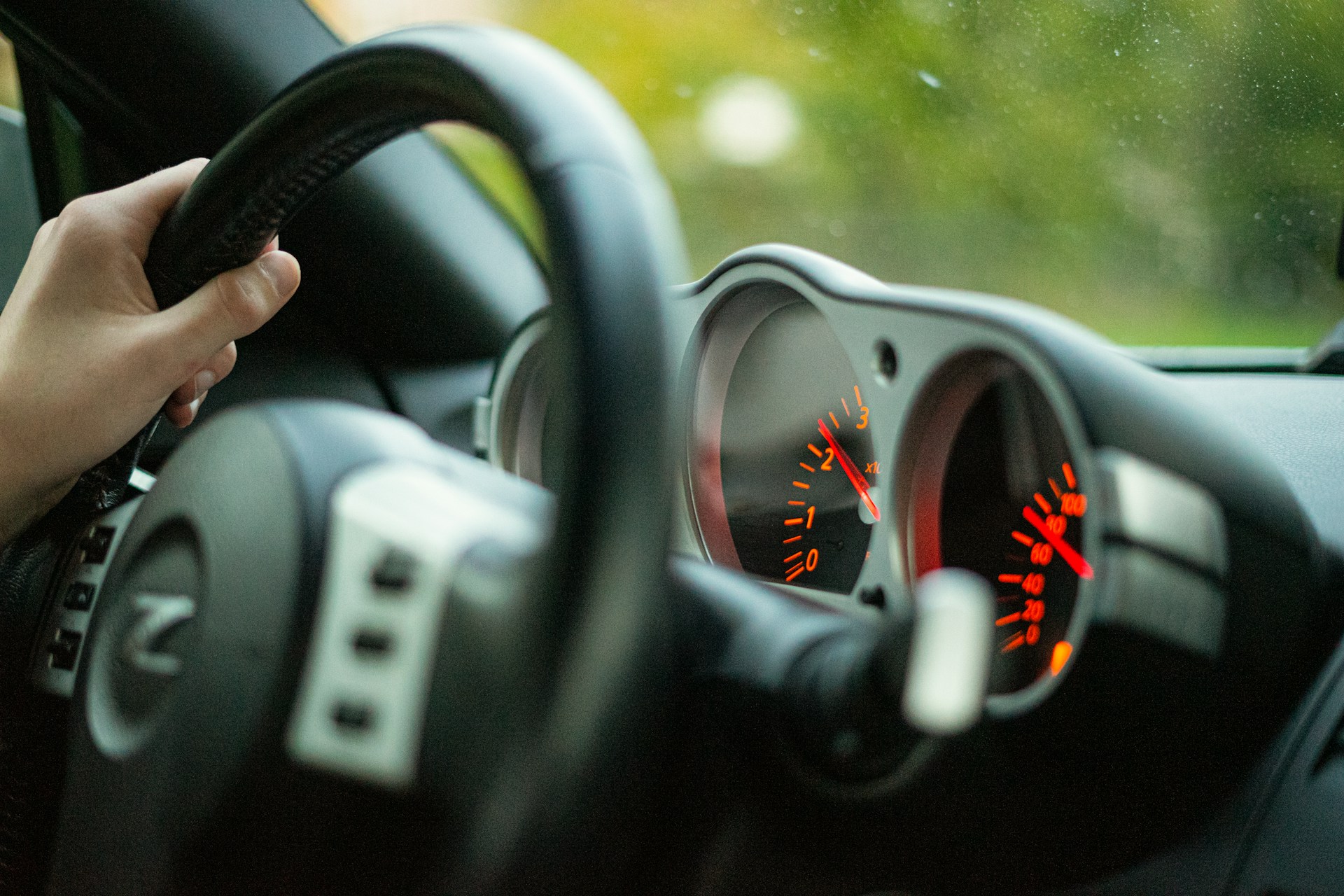
Your driving habits have a tremendous impact on your engine’s lifespan. Here at HCS Auto Repair, we’ve seen too many situations where careless driving practices have ruined a perfectly good engine, and it could have all been prevented.
Think of your car engine like an athlete. Athletes need training and nurturing to excel at their sport. Your engine needs careful operation and maintenance, especially during key times such as the break-in period.
For example, did you know that maintaining a constant speed for extended periods during the break-in phase can impact your engine’s future performance? The choices you make while driving today can determine your vehicle’s reliability down the line.
Keep reading for expert guidance on critical driving habits for new engines, watch-out signs for dangerous driving practices, intelligent maintenance strategies to protect your investment, and signs it’s time to call in a professional for your engine.
All together, we can develop driving habits that get your engine purring for many years to come.
The Effect of Driving Habits on Engine Health
During the first thousand miles of your new vehicle, your engine requires special care – a vital time known as the “break-in period.” This phase allows engine components to properly seat and establish their working relationships.
Think of your new engine like a pair of shoes – they need time to mold to your feet. The engine’s pistons, rings, and cylinder walls require time to create the perfect fit through controlled wear patterns.
Essential Break-In Practices:
- Vary Your Speed: Don’t lock into one constant speed. If you’re on a highway at 70 mph, adjust between 68-72 mph every 15 minutes
- Avoid Cruise Control: Manual speed control helps create diverse wear patterns
- Skip High RPMs: Keep your engine from running at maximum power during this period
- Drive Like You’re in a Motorboat: Gentle acceleration and varying speeds help components settle properly
What Happens If You Skip Break-In?
Poor break-in practices can lead to improper seating of piston rings, uneven cylinder wall wear, reduced engine performance, increased oil consumption, and a shortened engine lifespan.
A proper break-in period sets the foundation for your engine’s long-term health. Your driving habits during these first thousand miles shape how your engine will perform for years to come.
1. Proper Driving Techniques During Break-In
Breaking in your new engine requires a strategic approach to speed variations. Think of it like training a new muscle – you wouldn’t stick to one repetitive motion, would you?
Here’s how properly vary your speeds during break-in:
- Set your cruise control at 70 mph for about 15 minutes
- Adjust to 68 mph for the next segment
- Increase to 72 mph for another period
- Repeat this pattern throughout your journey
Cruise Control Tips: You’ll want to avoid setting one constant speed for extended periods. This prevents your engine from “memorizing” a single operating condition during its critical break-in phase.
Smart Speed Management:
- Keep RPMs varied but moderate
- Avoid sustained high speeds
- Make gradual speed adjustments
- Stay within legal speed limits
Your engine needs this varied “exercise” during its first thousand miles. Just like a new pair of shoes needs breaking in, your engine components need time to settle into their optimal working relationships.
Acceleration Guidelines:
- Press the gas pedal smoothly
- Build speed gradually
- Avoid sudden bursts of acceleration
- Let your engine warm up before pushing it
Remember: treating your engine right during these early miles sets the foundation for its long-term performance and reliability.
2. Common Driving Mistakes that Damage Engines
Aggressive driving habits can wreak havoc on your engine’s health. When you drive like “an absolute lunatic,” as our expert mechanic puts it, you’re putting unnecessary stress on critical engine components.
Here are some damaging behaviors to avoid:
- Constant High RPMs: Running your engine at high RPMs for extended periods strains the internal components. This is particularly risky with new engines that haven’t been properly broken in.
- Sudden Acceleration: Those quick, dramatic accelerations might feel exciting, but they create intense pressure on your engine’s pistons, crankshaft, and connecting rods.
- Heavy Load Stress: Pushing your vehicle beyond its designed capabilities, like excessive towing without proper specifications, can lead to premature engine wear.
Your engine’s temperature plays a crucial role in its longevity. These practices can cause dangerous overheating:
- Prolonged idling in hot weather
- Aggressive driving in stop-and-go traffic
- Ignoring temperature gauge warnings
New drivers tend to fall into these detrimental habits – which is why so many mechanics will warn against purchasing used sports cars or high-performance vehicles from younger drivers. These cars usually take more extreme driving styles, which wear them out faster and can cause engine problems.
Remember: your engine is designed to operate within specific parameters. Pushing these limits repeatedly isn’t just risky – it’s a direct path to expensive repairs or complete engine failure.
Examples of Harmful Driving Practices
Your daily driving habits can significantly impact your engine’s health. Let’s look at two common practices that could be damaging your vehicle:
1. Excessive Idling
Here are some reasons why excessive idling can be harmful to your engine:
- Leaving your car running while parked causes oil to break down faster
- Cold weather idling is particularly harmful – your engine needs movement to reach optimal temperature
- Extended idling creates carbon deposits in your engine components
- Your engine burns more fuel during idle than during a restart
2. Improper Towing
Improper towing practices can significantly harm your vehicle. Exceeding the manufacturer’s towing recommendations may lead to various negative effects, such as straining the engine and transmission, which can result in overheating and potential transmission failure.
Moreover, towing heavy loads demands a greater capacity from the cooling system, and pushing your vehicle too hard can damage the suspension and put additional stress on the braking system. At HCS Auto Repair, we’ve encountered many instances of premature engine wear in vehicles used to tow boats and trailers over their rated capacity. The repair costs often exceed what owners would have spent on a properly equipped towing vehicle.
3. The Role of Vehicle Maintenance in Preventing Engine Damage
Your vehicle’s engine health depends heavily on consistent maintenance. Just like regular health check-ups for humans, your car needs routine care to prevent potential issues from escalating into major problems.
Essential Maintenance Tasks:
- Regular Oil Changes: Fresh oil keeps your engine’s components properly lubricated and helps prevent wear and tear
- Fluid Level Checks: This includes:
- Coolant
- Brake fluid
- Power steering fluid
- Transmission fluid
Warning Signs That Need Immediate Attention:
Look for warning signs requiring immediate attention among other things such as the flashing of the check engine light, abnormal noises coming from the engine, a noticeable change in performance, or observable fluid leaks.
Our ASE-certified mechanics suggest having regular maintenance checks performed every 3,000 to 5,000 miles, based on your car’s make and model.
Key Maintenance Benefits:
Regular maintenance offers several key advantages, including prolonging the lifespan of your engine, ensuring it operates at peak efficiency, minimizing the likelihood of sudden breakdowns, safeguarding your vehicle’s overall value, and lowering fuel consumption.
Remember – waiting until something breaks isn’t a maintenance strategy. Preventive care through regular check-ups helps identify potential issues before they become serious problems. This proactive approach saves you money and keeps your engine running smoothly for years to come.
4. Signs Your Engine May Be at Risk and When to Seek Professional Help
Your vehicle communicates potential problems through various warning signs. A check engine light is the primary warning system for your car. If it lights up and no diagnostic codes appear, then there may be an issue with your main computer system, problem sensors that result in systemwide failure, or issues with electrical systems.
Odd engine noises call for immediate investigation. Be careful of warning signals such as acceleration-induced knocking or tapping sounds, grinding sounds at shifting gears or during continuous clicking or ticking, particularly at idling.
Your strongest defense against severe engine damage is early symptom detection. Seek expert assistance if the check engine light stays on for multiple driving cycles, if the car’s various warning lights come on at the same time, if sudden performance changes occur, or if there is odd vibrations or shudder while driving.
A professional diagnostic scan can uncover problems your basic code reader may not detect. Sophisticated scanning equipment employed by certified mechanics can identify intermittent sensor failure, computer system faults, multiple system interactions, and repeated fault patterns.
At the first indication of these symptoms, make an appointment with a certified mechanic. Early detection prevents expensive repairs and prolongs your engine’s life.
Select HCS Auto Repair
Your driving habits have a direct effect on your engine’s health and lifespan. Simple adjustments in your driving style can guard your investment and ward off expensive repairs. Begin by varying your speed during break-in periods, not aggressive acceleration, and monitoring caution lights such as the check engine light.
Here at HCS Auto Repair in Springdale, AR, we’re dedicated to keeping you on the road. Our ASE-certified mechanics offer expert advice and complete auto repair work. We welcome each customer as family, delivering individualized care for anything from a simple checkup to intricate repairs.
Ready to give your engine the care it deserves!
Don’t wait for small issues to become major problems. Schedule your appointment today and let us help protect your engine’s health. Give our professionals a call today at (479) 751-8232!