
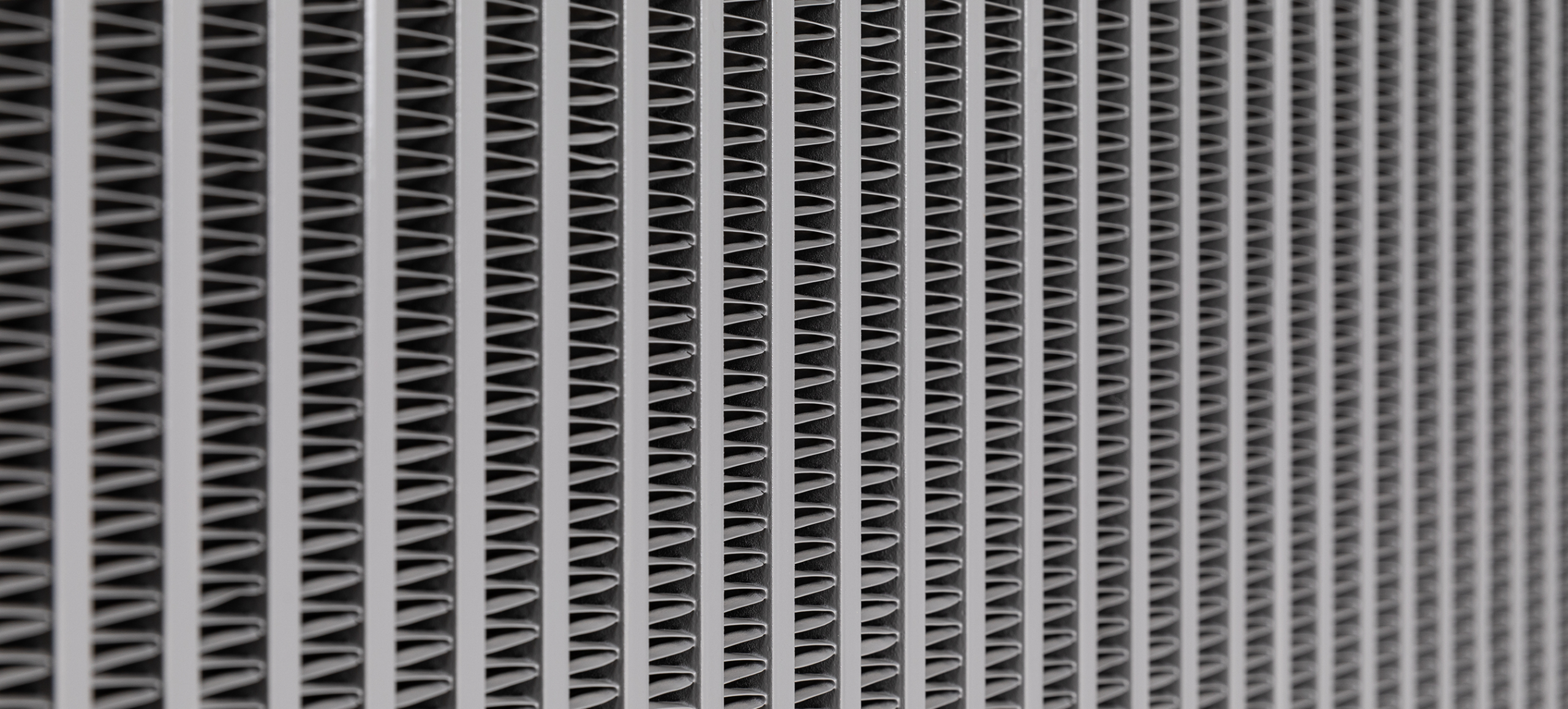
A car’s radiator is vital for the smooth operation of a car engine. In other words, it is a cooling system that regulates engine temperature by carrying coolant away and dissipating heat into the atmosphere.
Benefits of A Well-Working Radiator
A well-functioning radiator is vital for the engine health and performance of your car. It does perfect operation by circulating coolant and dissipating away heat so that your car engine never overheats, even in long-running hours, spellbinding weather conditions, or heavy loads.
Temperature regulation is what allows the proper and safe operation of the engine and all its components within prescribed parameters. A good working radiator also ensures that essential parts of the engine are protected from heat damage, extremely helpful for fuel consumption, good mileage, and, in the long run, reduces maintenance costs.
Why Ignoring Radiator Issues Can Be a Big Problem
Left untreated, problems with the radiator can lead to a wide variety of other problems. Some potential consequences include:
- Complete engine failure
- Warped cylinder heads
- Blown head gaskets
- Cracked engine blocks
These repairs are very expensive, sometimes reaching into the thousands of dollars. But these repairs can definitely be saved costs by early diagnosis and troubleshooting of radiator problems.
Here at HCS Auto Repair in Springdale, our experiences show that many engines were damaged when radiators were neglected. This is why we really want to impress upon you that checking the car’s radiator must be included in your regular vehicle service.
The next section shall cover the warning signs that declare the need to have your radiator serviced.
1. Engine Overheating: Signs of Radiator Trouble
If your engine temperature gauge suddenly shoots into the red zone, it is a clear warning sign not to be ignored. When malfunctioning, the radiator cannot keep the engine temperature down, allowing it to overheat dangerously, which is sometimes enough to damage the vehicle.
What happens there when your radiator does not function well?
- Your temperature gauge climbs higher than normal
- Steam might escape from under your hood
- Your check engine light illuminates
- Your engine might start running roughly
- You might notice a sweet, burning smell
These warning signs indicate that the radiator is not effectively cooling the engine. One possibility is that the coolant has not been circulating well, or there could be something preventing heat dissipation.
As an engine overheats, it causes undue stress on critical elements. Metal parts can warp, gaskets may blow out, and your engine could be worse for the wear. Minor difficulties in the radiator turn into massive problems if you keep driving with an overheated engine.
At the very first sign, safely pull over and turn off the engine. Keeping on will surely damage the engine gravely, costing you thousands in repair.
2. Coolant Leaks: Silent Cause Behind Radiator Problems
Coolant leaks are something you want to detect early enough to avoid major engine problems. These leaks often start small- a few drops landing underneath your car or a sweet, weird smell emanating from the vicinity of your engine. The radiator system consists of a network of hoses and connections that circulate the coolant. This means any breach of this system may lead to trouble.
Common causes of coolant leaks include:
- Cracked radiator hoses from age and heat exposure
- Loose hose clamps that need tightening
- Damaged radiator cores from road debris
- Corroded connection points between components
A simple visual check can reveal these issues before they escalate.
Look for:
- Green, orange, or pink fluid puddles under your car
- White streaks or crusty deposits on hoses
- Swollen or soft spots on radiator hoses
- Steam coming from under your hood
We at HCS Auto Repair, for instance, recommend inspecting your cooling system every time you get an oil change. A small leak that begins out of few drops can pose a big problem, keeping your engine running hot and actually demolishing it if not addressed. Don’t wait until you see some temperature warnings: a very quick check today can save you a lot of money in repair later!
3. Boiling Coolant: Trouble in the Cooling System
Have you seen and smelled steam escaping from under your hood? Or bubbling sounds emanating from your engine? Your coolant may be boiling- that’s a very serious sign, and it must be attended to immediately.
When coolant boils and overflows from the reservoir cap, it’s often due to:
- Air Pockets: Trapped air in your cooling system prevents proper coolant circulation
- Structural Failures: Cracks or damage in the radiator disrupting normal flow
- Failed Pressure Cap: A malfunctioning cap unable to maintain proper system pressure
Your engine cooling system works under a certain pressure, so as to raise the boiling point of the coolant. The lower the pressure, the earlier the coolant begins boiling, causing the rapid loss of coolant and overheating of your engine, eventually causing engine damage.
Never drive your vehicle when you see coolant boiling-ensure the engine gets catastrophic damage! We have witnessed minor cooling system problems develop into major engine repairs if left untreated. A professional inspection can identify the root cause and prevent extensive damage to your vehicle’s engine.
4. Constant Coolant Addition: A Never-Ending Battle Against Overheating
Are you finding yourself adding coolant to your vehicle more frequently than usual? This repetitive need for coolant top-ups is a red flag you shouldn’t ignore. While it might seem like a simple fix to keep adding coolant, this constant need points to underlying issues in your cooling system.
Hidden leaks often manifest through:
- Puddles under your parked car
- Sweet-smelling drips from your engine
- Unexplained coolant loss between checks
Your cooling system should be in its correct state of coolant on a normal day. When you find yourself frequently topping off the coolant every other day or every week, then your car’s warning you about something being off. The cause may be due to tiny radiator cracks, decayed hose joints, or even a cracked head gasket. A leaking reservoir also causes dangerous cooling system conditions.
At HCS Auto Repair, we’ve had many drivers try to fix this problem by adding more coolant. This fixes it in the short term but covers up the real problem and can cause severe engine damage. Let our ASE-certified technicians diagnose and fix the root cause of your repeat coolant loss and save your engine and your pocketbook from future higher bills.
5. Rust or Murky Water Liquid Coolant: A Signal of Contamination
Your coolant needs to be shiny, clear color – usually green, orange, or pink, depending on what you’re dealing with. If your coolant looks like rusty or cloudy liquid coolant, it’s time to take notice. Discolored coolant often signals internal corrosion within your radiator system.
Here’s what different coolant colors might indicate:
Brownish tint: Points to rust particles from corroding metal components
Milky appearance: Suggests oil contamination, possibly from a head gasket leak
Muddy or cloudy: Indicates dirt and debris have entered the system
Those contaminants clog the narrow passages of the radiator, lowering its cooling efficiency. Regular maintenance of coolant prevents such conditions. Coolant color-check is best done during every oil change, while coolant flushes from a shop are recommended every 30,000-60,000 miles. Use the specified types of coolants as recommended by the vehicle manufacturers to give the cooling system the best performance and longer life. Early inspection and maintenance will keep you away from radiator troubles and costly repairs.
Our team of experts thoroughly inspect coolant systems so that contamination can be detected early. A flush of the coolant may just keep you from having unlimited damage to your radiator and heavy expenses shortly.
6. Temperature Fluctuation: The Tudor of a Cooling System
Your temperature gauge should stay mostly steady while your car is operating normally. The instant you see the needle bouncing from hot to cold, you set your cooling system for hours of treatment. Inconsistent temperature changes usually point at two suspects, like a thermostat not performing its function that is stuck open or closed, hampering the proper flow of coolant, or a failing radiator that cannot maintain steady heat exchange.
Watch for these specific temperature patterns:
- Sudden spikes while driving
- Random drops below normal operating temperature
- Temperature gauge that won’t stabilize
Ignoring these fluctuations puts your engine at risk. Each temperature swing creates thermal stress on engine components, potentially leading to:
- Warped cylinder heads
- Blown head gaskets
- Complete engine failure
At HCS Auto Repair, we’ve seen how quickly these temperature inconsistencies can escalate into major repairs. A simple diagnostic check can identify the root cause and prevent costly damage to your vehicle’s engine.
7. Physical Radiator Damage: A Visible Indicator of Cooling System Failure
Your radiator might be telling you it needs attention through visible signs of damage. A quick visual inspection can reveal several red flags:
- Bent or damaged fins – These small, delicate metal strips help dissipate heat. When bent or crushed, they can’t perform their cooling function effectively
- Visible leaks – Green, orange, or pink puddles under your car signal coolant escaping through cracks or holes
- Corrosion spots – Rusty patches or white, crusty deposits on the radiator surface indicate deterioration
- Dented or cracked tanks – Physical impacts can compromise the radiator’s structural integrity
That little scratch or dent that you’ve been avoiding for the past two days might actually affect your cooling system. The two dents you can see today could develop into a sizeable leak tomorrow, with an engine at risk of severe damage.
Relying on our experience, we have encountered many instances of radiators being completely destroyed after physical damage was ignored. Don’t wait until your engine overheats – let our ASE-certified technicians inspect any visible radiator damage and provide expert repairs to keep your cooling system running efficiently.
Taking Action Against Radiator Problems: When To Seek Professional Help?
Don’t wait for your radiator issues to escalate into major engine problems. Schedule a professional inspection if you notice:
- Persistent engine overheating
- Coolant leaks or frequent top-ups
- Unusual noises from the engine bay
- Discolored or contaminated coolant
- Any visible radiator damage
In Springdale, we at HCS Auto Repair have ASE-certified technicians trained in all facets of radiator diagnosis and repair. We give your cooling system a thorough inspection, isolate any problems, and help you with solutions recommended to keep your engine at its best operating temperature.
Are you ready to tackle your radiator problem? Come in and have it looked at, or call in to make your appointment-the health of your car comes first, and we want to help you avoid expensive engine repair down the road. Give us a call today at (479) 751-8232!