
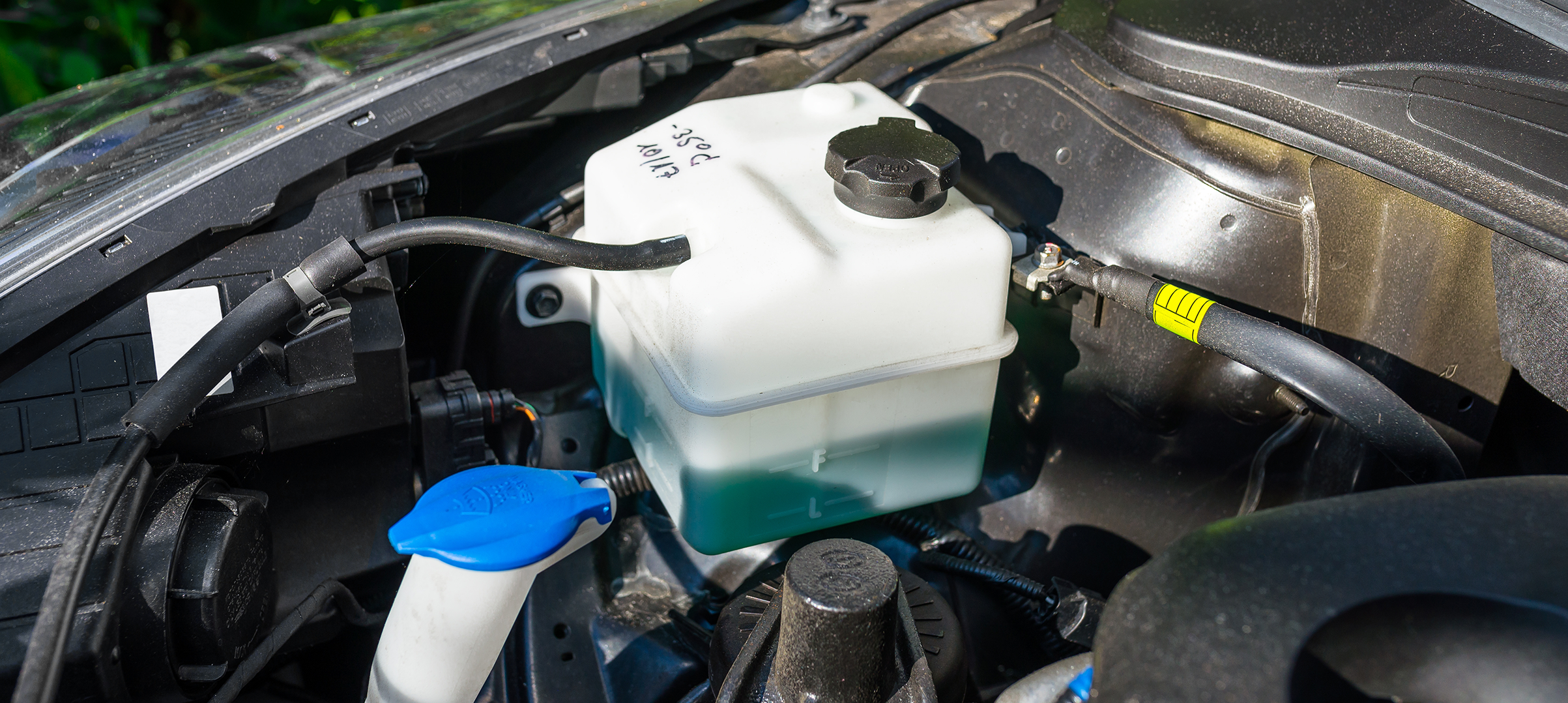
Your vehicle’s coolant is what keeps your engine running top-notch. It works hard to regulate temperatures and prevent overheating. It circulates through your delicate engine system, dispersing excess heat and sending it away from vital parts that would otherwise get ruined.
If you notice your coolant boiling or your engine temperature gauge inching into the red, you can be sure that something is amiss and needs to be fixed right away. Your overheating coolant is no joke, it is a symptom that points to a potential problem that could cost you a lot to fix if you do not take action early enough.
It could be a clogged radiator cap, blown head gasket, or dirty coolant, but the ability to know how to identify what to do and how to fix it will be the difference between an small repair and a new engine. Don’t let coolant boiling problems turn your wonderful running car into a costly headache.
Coolant and How It Works
Coolant in your car is vital to keeping your motor’s temperature at the right level. Unlike regular water, the specially designed fluid in this liquid is a carefully engineered mixture of coolant that can handle the car-grade heat your motor sees every day.
What Is Modern Antifreeze Made Of?
The principal ingredients in contemporary antifreeze are:
Water (typically 50% of the mixture)
Either propylene glycol or ethylene glycol (the other 50%)
Other corrosion inhibitors and lubricants for the system
Ethylene glycol is the most common antifreeze component in automobiles because it transfers heat efficiently and is cheap.
How Does Coolant Work?
This particular combination of coolants forms a chemical solution that completely alters the characteristics of water. Here’s how and why it does this:
Pure water boils at 32°F and boils at 212°F.
When you mix glycol and water:
The freezing point drops to around -34°F.
The boiling point increases to just above 223°F.
This broader temperature range protects your engine from both extreme cold and extreme heat.
The Science Behind Consistent Cooling
Glycol molecules interfere with the conventional freezing of water and need additional energy to transform from liquid to vapor when boiling. The chemical process guarantees that your engine delivers consistent cooling performance regardless of the season or driving conditions.
Symptoms and Causes of Coolant Boiling Over
A number of mechanical failures can cause the boiling of coolant in the cooling system of your car. Knowing the causes of coolant boiling allows you to detect problems before they become expensive repairs.
Frequent Causes of Coolant Boiling
1. Radiator Cap Problems
A faulty radiator cap is among the most typical offenders. Your system pressure is stored in your radiator cap, generally at 13-16 PSI, which boils your coolant to around 250°F. Coolant will boil at lower temperatures and produce hazardous overheating situations with a blown radiator cap.
2. Blown Head Gasket problems
A blown head gasket provides a disastrous situation under which combustion gases escape into your cooling system. These hot gases can quickly raise coolant temperatures and add air bubbles that interfere with proper circulation. This situation tends to cause chronic overheating regardless of the level of coolant.
3. Stuck Thermostat Issues
A frozen thermostat stops coolant from flowing through your radiator once the engine is up to operating temperature. Coolant becomes trapped in the engine block, leading to hot spots and eventual boiling.
4. Dangers of Low Coolant Level
Low coolant level dangers reach far beyond minor overheating. Low coolant creates air pockets that block heat transfer. Filthy coolant loses its protective qualities, allowing corrosion and cutting the mix’s effectiveness at offering temperature stability.
Recognizing the Warning Signs
Your vehicle provides clear indicators when coolant begins boiling:
- Visible bubbles in the coolant reservoir or radiator
- The engine temperature gauge is climbing into the red zone
- White smoke billows from your exhaust pipe
- There is a sweet antifreeze smell around the engine compartment
- Steam rising from under the hood
These symptoms demand immediate attention to prevent severe engine damage and ensure your safety on the road.
Why You Shouldn’t Ignore Boiling Coolant Issues
Neglecting to boil coolant in your vehicle can end up costing you more than just being inconvenient. By neglecting the signs, you’re playing dice with your engine and your finances.
1. Severe Engine Damage
If coolant continues to boil spontaneously, it will eventually do some critical harm to your engine. Heat buildup can distort cylinder heads, creating permanent damage that needs to be replaced in its entirety. Worst possible, even the engine block is vulnerable to cracking and turns what would otherwise have been a minor repair into a disastrous failure that has to be replaced or rebuilt.
2. Skyrocketing Repair Bills
Waking up to the unmistakable evidence of boiling coolant will have repair costs that are skyrocketing as the damage feeds like cancer through your engine. A simple thermostat replacement procedure costing $200 can turn into a $3,000+ engine rebuild if not addressed. Heat degradation doesn’t remain localized—it degrades gaskets, seals, and metal parts throughout your cooling system.
Operating in an overheated condition poses actual safety risks. Your vehicle could suffer an instantaneous power loss on expressways and leave you stranded in unsafe places. In addition, steam and scalding coolant can reduce your visibility and cause burns when the system could malfunction catastrophically under operating conditions.
The Role of Key Cooling System Components
Your car’s cooling system relies on some essential parts combining to keep from letting coolant reach its boiling point. Knowing how these parts operate assists in understanding when something was amiss.
Radiator Cap: The Pressure Guardian
The radiator cap’s impact on the boiling of the coolant is more dramatic than most drivers know. This tiny but powerful device keeps system pressure between 13-16 PSI, lifting your coolant’s boiling point from 212°F to approximately 250-265°F. Without the cap, pressure is lost and your coolant boils at lower temperatures, causing overheating under normal driving conditions.
Head Gasket: The Critical Seal
The role of the head gasket in cooling system integrity cannot be overstated. The gasket is a critical seal between your engine block and cylinder head, separating coolant passages from combustion gas. Exhaust gases leak into the cooling system through cracks and cause violent boiling and abrupt temperature increase. You will notice bubbling in the reservoir, white exhaust smoke, and severe coolant loss – all symptoms requiring urgent attention to avoid disastrous engine damage.
Tips for Maintenance to Prevent Boiling Over of Your Coolant
Your car’s cooling system needs to be regularly attended to in order to keep your engine coolant in good health. Checks on the coolant need to be conducted as part of routine maintenance, with the engine compartment cold and the system depressurized.
Essential maintenance practices include:
Monthly level checks – Inspect the coolant reservoir when parked on level ground, ensuring fluid reaches the “full” or “max” line
Visual quality assessment – Look for discoloration, rust particles, or oil contamination that indicates degraded coolant
Proper mixture ratios – Maintain the correct 50/50 water-to-antifreeze ratio for optimal boiling point protection
Replacement is needed when you see dirty, rusty, or contaminated fluid. Total system flushes are routinely recommended by the manufacturer at 30,000 to 50,000 miles, but use under harsh conditions will need more frequent maintenance.
Mixing of coolants is never okay since incompatible coolants will form gelatinous material, which will obstruct flow. Fill with the same type recommended in your owner’s manual when topping off coolant in order to avoid chemical reactions that make your system lose performance.
What to Do If You See Boiling Coolant In Your Car
The instant you see those unmistakable signs of boiling coolant, what you do makes all the difference between a speedy repair and engine disaster. What you do right to detect signs of boiling coolant in car conditions keeps you and your engine safe.
Pull over as quickly and safely as you can when you notice such signs as steam blowing out beneath the hood, the heat gauge climbing up into the red section, or a pleasant odor of antifreeze. Shut off your engine at once to avoid further heat accumulation, which will distort cylinder heads or split engine blocks.
Never attempt to take off the radiator cap when the engine is warm. The pressurized system will give off scalding hot coolant that will inflict extreme burns. It’s okay to inspect the level of the coolant only after the engine has cooled for at least 30 minutes.
Have a competent mechanic diagnose rather than try to do-it-yourself repairs.
Understanding that underlying causes, such as blown head gaskets or thermostats, need specialized tools and know-how to fix effectively. Proper diagnosis by pros is that you fix the cause, not the symptoms.
Why Choose HCS Auto Repair for Cooling System Problems?
When your car’s cooling system is failing, you require a car repair shop with top-notch experience and reliability. We at HCS Auto Repair has been serving the Springdale, AR community since 1988, earning a reputation for exceptional auto repair services that make vehicles run well for decades.
Our ASE-qualified technicians apply expert skills to each cooling system diagnosis. Whether you’re experiencing boiling coolant, radiator cap failure, or complex head gasket problems, our technicians have diagnosed these issues many times before and know how to repair them. This practical experience allows us to precisely detect the cause of your cooling system issues and apply long-lasting solutions.
We at HCS Auto Repair’s expertise in cooling system issues extends beyond basic repairs. We understand how interconnected your vehicle’s systems are and how cooling problems can cascade into more serious engine damage if not addressed properly. Our diagnostic approach examines:
- Radiator cap pressure testing
- Coolant mixture analysis
- Thermostat functionality
- Head gasket integrity
- Complete system pressure checks
You can trust our commitment to quality workmanship and transparent communication throughout the repair process.
Contact Us At HCS Auto Repair Today!
Don’t let boiling coolant become an expensive engine catastrophe. When you see bubbling in your reservoir, white smoke exiting your exhaust, or the smell of destruction, the moment has arrived to act swiftly.
We at HCS Auto Repair is your go-to solution for car repair in Springdale, AR, that motorists rely on. Our ASE-certified mechanics possess the technical knowledge to find and repair cooling system problems before these problems lead to permanent damage to your engine.
Call us today at (479) 751-8232 to book your cooling system check. If it’s a leaky radiator cap, a blown head gasket, or dirty coolant that’s got you stopped, we’ll have you back on the road and running safely and efficiently in no time. Your engine’s health is more valuable than a gamble, call now for expert service.