
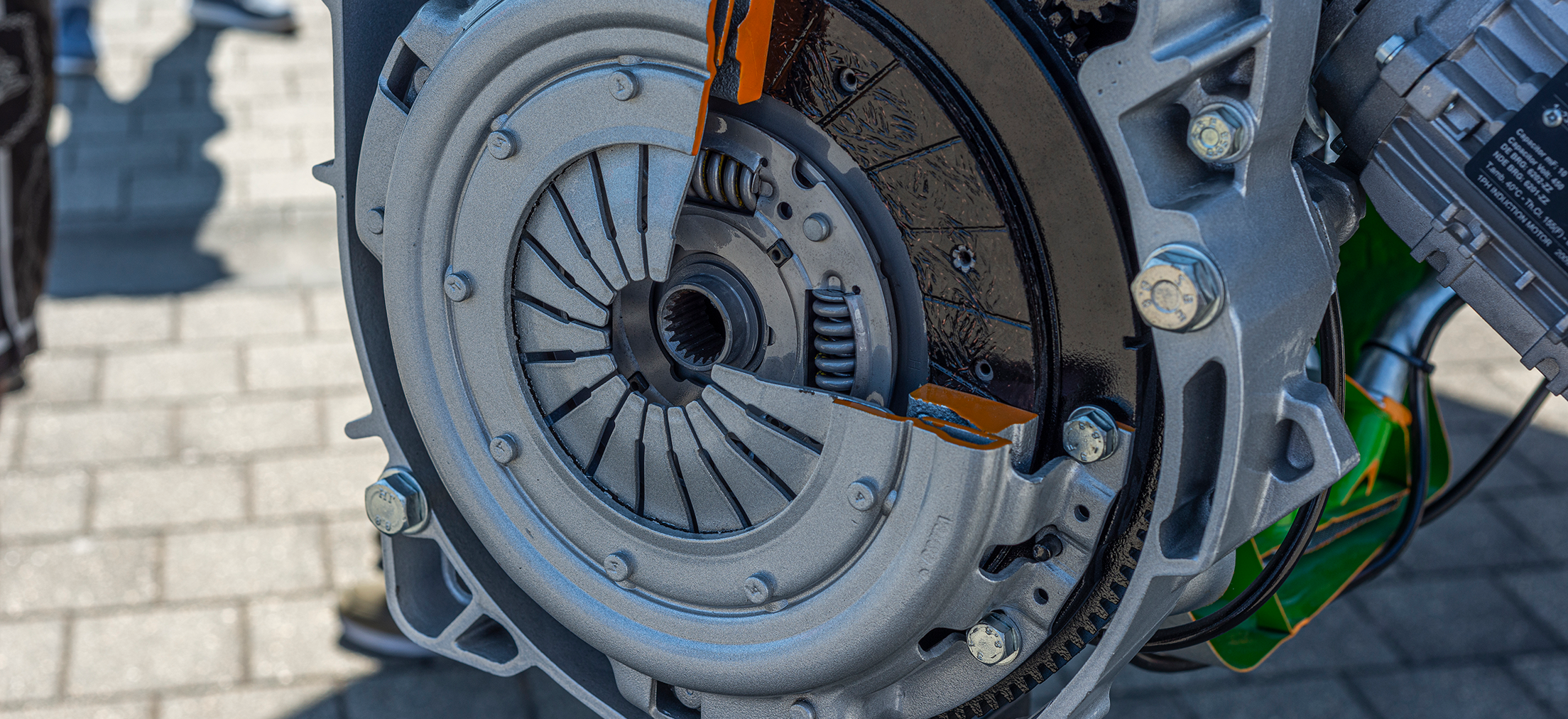
Your clutch system is what helps transfer power from the engine to the wheels via the transmission. If everything is in its best condition, you get silky smooth gear shifts and very good performance. But if it breaks down, it will be highly expensive to repair and can pose safety hazards.
Maintaining your clutch has a direct impact on how well and how long your car runs. A well-maintained clutch system allows for a smooth acceleration, less stress on the transmission, and keeps the engine running as it should. Not doing this valuable component justice can cause issues later in the drivetrain.
At HCS Auto Repair, our experienced technicians understand that fixing a clutch when it breaks is not enough to keep it functioning correctly. Our technicians are ASE certified and take a system view of car repair and maintenance, knowing how the clutch works in concert with the engine, transmission, and electrical system.
The relationship between engine health and maintenance of the clutch is more important than most drivers know. When the clutch is on the verge of failing, the engine must work harder, and this creates conditions that can cause overheating, increased fuel consumption, and premature wear on engine components. This tutorial benefits from the experience that our mechanics have accumulated since 1988.
Understanding the Clutch System
Your clutch system is essential in transferring the power from the engine to the wheels. It is a link that enables you to easily shift from one gear to another by temporarily disconnecting and reconnecting the engine’s power.
Major Components of the Clutch System
The clutch system includes a number of important components functioning together:
Clutch disc: The part has friction material that bears against the flywheel.
Pressure plate: The pressure plate puts pressure on to activate the clutch disc.
Release bearing: When you press down on the clutch pedal, the release bearing disengages the clutch.
Flywheel: The flywheel is a heavy rotating disc which opposes momentum of the engine.
Starter motor: The starter motor starts rotation of the engine and operates along with the flywheel.
How the Clutch Works
The clutch works with your transmission and engine through a special sequence of actions. The following is the process:
Whenever you push the clutch pedal, there is hydraulic pressure.
The hydraulic pressure pushes the release bearing.
The release bearing drags the pressure plate away from the clutch disc.
Thus, the link between the transmission and engine is severed.
This enables you to shift gears smoothly without grinding or resistance.
Clutch Maintenance Importance
Not maintaining the clutch produces some issues that extend beyond the clutch itself:
Worn clutch parts cause your engine to labor, resulting in high fuel usage and excessive starter motor overloading.
A slipping clutch generates unwanted heat, warping the flywheel, and incurring an enormous cost to machine or replace.
Sloppy clutch performance loads your transmission synchronizers more, producing hard shifting and premature internal component wear.
Knowing how your clutch system functions and how it contributes to your car’s performance makes you realize the importance of maintenance so all elements can function in unison.
When Your Clutch Needs Attention
Your automobile gives you many different signals every time your clutch system requires immediate repair. Attending to them ahead of time will save you expensive repair costs and prevent you from getting stuck on the highway.
1. Clutch Slipping
Slipping of the clutch is also among the most usual indicators of wear. You feel the engine revs increasing without related acceleration, especially climbing a hill or hard acceleration. The clutch disc is worn to the extent that it cannot provide correct friction to the flywheel.
2. Unusual Sounds
Strange sounds during gear changes indicate mechanical issues in the system. Grinding is usually an indicator of worn synchronizers or clutch parts, whereas knocking usually indicates broken pressure plates or release bearings. You feel these noises more when you press the clutch pedal or try to change gears.
3. Trouble Shifting Gears
Difficulty in changing gears is described as resistance to moving the gear stick, not engaging gears, or transmission locking up between gears. Such a symptom is usually accompanied by hydraulic system failure or friction clutch components wearing out and failing to fully disengage.
4. Dashboard Warning Lights
Dashboard warning lights may glow when transmission sensors notice deviations in clutch functioning or associated electrical systems. Not all cars have dedicated clutch warning lights, but transmission warning lights or check engine lights will light up if the clutch impacts drivetrain overall performance. These electronic warnings should never be neglected since most of them indicate issues requiring prompt professional servicing.
Must-Know Clutch Maintenance Tips from Mechanics
Professional mechanics know that maintenance ahead of time keeps your clutch system in top shape for years to come. These professional tips will pay for themselves in saved repairs down the road.
Fluid Checks and Hydraulic System Care
Your hydraulic clutch system relies on clean, adequate fluid levels in order to operate properly. Check your clutch fluid reservoir monthly – it must have uniform fluid between the minimum and max marks. Black, dirty fluid is time for replacement. Low fluid levels typically point to hydraulic line or master cylinder leaks that should be fixed immediately.
Pedal Adjustment and Free Play
Proper pedal free play ensures your clutch engages and disengages correctly. You should feel approximately 1-2 inches of movement before resistance begins when pressing the clutch pedal. Too little free play causes premature wear on the release bearing, while excessive free play makes shifting difficult and can damage synchronizers.
Regular Inspections Schedule
Monthly checks should include:
- Visual inspection of the clutch pedal for smooth operation
- Listening for unusual noises during engagement
- Monitoring fluid levels and color
Preventative professional checks allow certified technicians to scan clutch disc thickness, pressure plate wear, and hydraulic integrity on a yearly basis. Watchful checking detects impending wear patterns in their earliest stages before they become costly breakdowns.
Compliance with these maintenance procedures will prevent early wear and prolong the life of your clutch system by a huge margin.
How Engine Maintenance Impacts Your Clutch’s Life Spans
Your clutch and engine both have the power task of propelling your wheels, so one’s well-being affects the other’s effectiveness. In staying on a regimen of regular oil changes, you’re not just maintaining your engine’s health, but you’re also prolonging the life of your clutch.
The Importance of Fresh Oil
Your engine requires new oil to lubricate it to the fullest in order for your engine to have smooth functioning at correct RPMs. When your engine is in good health, it dispenses power evenly, and your clutch does not suffer undue stress while accelerating and changing gears. But when your engine is struggling because it is not properly lubricated, it dispenses uneven bursts of power that cause your clutch to work harder than it should.
Avoiding Engine Sludge
The second most critical aspect of this relationship is prevention against engine sludge buildup. The dirty oil can form thick sludge that impairs effective lubrication and causes your engine to run inefficiently. The inefficiency has several implications:
- Inconsistent engine performance that puts stress on clutch components
- Elevated operating temperatures affecting nearby drivetrain parts
- Decreased fuel efficiency leading to more aggressive driving habits
- Increased vibrations that accelerate clutch wear
The Benefits of Clean Oil
By maintaining your engine with clean oil, you can maintain your engine in its optimal performance. This consistent running means even load on your clutch, which leads to smoother shifting and much longer clutch life. In the long run, this amounts to money saved in the form of prevention of premature replacement expenses.
When to Get Professional Help
While routine clutch maintenance can lengthen the lifespan of your system, there are certain situations where expert services are required. We at HCS Auto Repair has been a trusted Springdale auto repair shop AR since 1988 and has provided full clutch diagnosis and repair services.
Your clutch system deserves attention from qualified professionals when you experience:
- Persistent slipping despite recent adjustments
- Unusual grinding or squealing noises during gear changes
- Complete clutch failure or inability to engage gears
- Hydraulic system leaks affecting clutch operation
Our ASE trained technicians apply years of experience to each car repair process. They employ advanced diagnostic tools to identify the root source of clutch issues, which results in proper repairs of root problems, not symptoms.
We at HCS Auto Repair technicians obtain the best replacement parts of the highest quality, made for your model and make vehicle. Proper part quality ensures your clutch repair is designed for optimal performance and dependability. Extensive tests of other related systems, such as the release bearing, pressure plate, and flywheel, are also included in expert auto repairs in order not to cause future issues that will leave your car stationary.
Choose HCS Auto Repair
Your clutch system is due the same attention that you show to regular oil changes and engine upkeep. Regular clutch maintenance with regular vehicle upkeep is the key to hassle-free driving for years to come. By taking proactive steps to possibly negatively impact issues through constant check-ups and effective maintenance routines, you’re protecting your car’s lifetime as well as your own peace of mind.
Don’t wait until grinding noises or slipping transmissions tell you something is amiss. Our ASE-licensed technicians bring years of experience to every clutch repair services Springdale AR job. From maintenance recommendations to suspected issues with the clutch, our technicians offer solutions tailored to your vehicle’s unique requirements.
Ready to have your clutch treated like the pro that it is? Call us today at (479) 751-8232 to book your service appointment and keep your car purring like a top for years to come.