
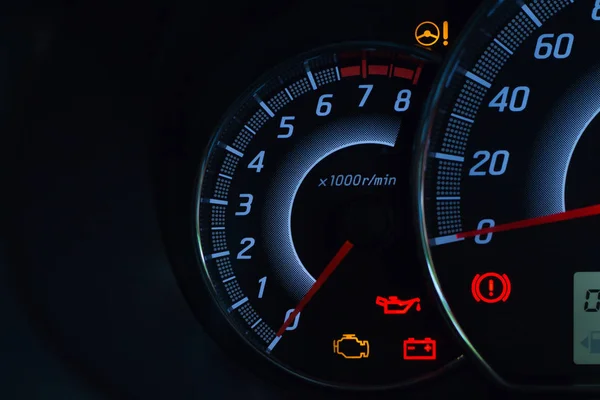
Hey there, fellow drivers! We’ve all been there – you’re cruising along, enjoying your day, when suddenly that pesky check engine light pops on. It’s like your car is trying to tell you something, but what? At HCS Auto Repair, we’re here to demystify this common occurrence and help you understand what might be going on under the hood.
What is the Check Engine Light?
Before we dive into the specific problems, let’s talk about what that little light actually means. The check engine light (also known as the malfunction indicator lamp) is part of your car’s onboard diagnostics system. It’s your vehicle’s way of saying, “Hey, something’s not quite right here!”
While it might seem alarming, it’s actually a helpful tool that can prevent minor issues from becoming major headaches. Think of it as your car’s way of asking for a check-up!
Common Causes of the Check Engine Light
Now, let’s get into the nitty-gritty. Here are some of the most common reasons your check engine light might decide to make an appearance:
1. Loose or Faulty Gas Cap
Believe it or not, something as simple as a loose gas cap can trigger the check engine light. Your fuel system is pressurized, and a loose cap can throw off the whole system. Before you panic, try tightening your gas cap and see if the light goes off after a few trips.
2. Oxygen Sensor Failure
The oxygen sensor measures the amount of unburned oxygen in your vehicle’s exhaust system. When it fails, your engine can burn more fuel than necessary, reducing fuel efficiency and increasing emissions. Regular maintenance can help prevent this issue.
3. Catalytic Converter Problems
Your catalytic converter helps reduce exhaust gases. If it becomes clogged or damaged, you might notice a decrease in performance and fuel economy. This is often a more serious (and expensive) problem, so it’s best to get it checked out promptly.
4. Spark Plug/Ignition System Issues
Worn or damaged spark plugs can cause your engine to misfire, which can trigger the check engine light. Regular replacement of spark plugs as part of your maintenance routine can help prevent this.
5. Mass Airflow Sensor Malfunction
This sensor measures the amount of air entering the engine to determine how much fuel is needed. A faulty sensor can cause problems with engine performance and fuel efficiency.
6. Battery or Charging System Problems
While a dying battery is more likely to trigger the battery warning light, in some cases it can also cause the check engine light to come on. This is because a weak battery can lead to voltage issues that affect other systems in your car.
What Should You Do When the Light Comes On?
- Don’t panic! The light doesn’t always indicate a dire emergency.
- Check for any obvious issues, like a loose gas cap.
- Pay attention to how your car is running. Is it behaving differently?
- If the light is flashing, this indicates a more serious problem. Reduce speed and get your car checked out as soon as possible.
- For a steady light, make an appointment with a trusted mechanic (like us at HCS Auto Repair!) to diagnose the issue.
How HCS Auto Repair Can Help
At HCS Auto Repair, we understand that seeing that check engine light can be stressful. That’s why we’re here to help! Our team of experienced technicians is equipped with the latest diagnostic tools to quickly and accurately identify the cause of your check engine light.
We pride ourselves on our transparent communication and friendly service. When you bring your vehicle to us, we’ll:
- Perform a comprehensive diagnostic scan
- Explain our findings in clear, easy-to-understand terms
- Provide you with options for addressing the issue
- Only perform repairs with your approval
Remember, regular maintenance is key to preventing many of the issues that can trigger the check engine light. At HCS Auto Repair, we offer comprehensive maintenance services to keep your vehicle running smoothly and that pesky light off!
Conclusion
While the check engine light can sometimes feel like a harbinger of doom, it’s really just your car’s way of communicating with you. By understanding some of the common causes and knowing how to respond, you can take the stress out of this situation.
At HCS Auto Repair, we’re committed to keeping you informed and your vehicle in top shape. Whether you’re dealing with a check engine light or just need routine maintenance, we’re here to help. Don’t let car troubles dim your day – let us help you keep your engine running and that check engine light off!
Remember, a little attention now can prevent bigger problems down the road. Drive safe, and we hope to see you (and not your check engine light) soon!
If you need help, give us a call today at 479-662-1221 and schedule our professional services.
FAQs
To help you better understand this common automotive issue, we’ve compiled a list of frequently asked questions about the check engine light:
1. Can I drive my car with the check engine light on?
While you can usually drive for a short time with the check engine light on, it’s not recommended for extended periods. If the light is steady, you can likely drive to a mechanic. However, if it’s flashing, pull over safely and call for a tow – this indicates a severe problem that could damage your engine.
2. Will the check engine light reset itself?
In some cases, the light might turn off by itself if the issue that triggered it is resolved. However, in many modern cars, you’ll need to use a scan tool to clear the code even after fixing the problem.
3. How much does it cost to diagnose a check engine light?
At HCS Auto Repair, we offer competitive rates for diagnostic services. While costs can vary depending on the complexity of the issue, we always provide transparent pricing before beginning any work.
4. Can a check engine light come on due to bad weather?
Extreme weather conditions can occasionally trigger the check engine light, especially in older vehicles. This is often due to moisture affecting sensors or connections. If the light goes off after the weather improves, it might not be a concern, but it’s still worth getting checked.
5. Is it safe to use a code reader to diagnose my check engine light at home?
While home code readers can provide useful information, they often don’t give the full picture. Professional diagnostic tools at shops like HCS Auto Repair can provide more detailed information and help pinpoint the exact issue.
6. How long can I drive with the check engine light on before damage occurs?
This depends entirely on the cause of the light. Some issues, like a loose gas cap, won’t cause any damage. Others, like an engine misfire, can cause damage quickly. It’s best to have it checked as soon as possible to be safe.
7. Will a dead battery cause the check engine light to come on?
A dead or dying battery can cause various electrical issues in your car, which might trigger the check engine light. If you’ve recently had battery problems and your check engine light is on, the two might be related.
8. Can low oil cause the check engine light to come on?
While low oil typically triggers a separate oil pressure light, in some vehicles, extremely low oil levels can cause engine performance issues that trigger the check engine light.
9. Will my car pass inspection if the check engine light is on?
In most states, a vehicle will not pass inspection if the check engine light is on. The light indicates that there’s an emissions or engine problem that needs to be addressed.
10. How often should I expect to see my check engine light come on?
With proper maintenance, you shouldn’t see your check engine light very often. Regular check-ups at HCS Auto Repair can help prevent many of the issues that trigger this light. However, as vehicles age, it’s not uncommon for occasional issues to arise.
Remember, if you have any questions about your check engine light or any other automotive concerns, the friendly team at HCS Auto Repair is always here to help. Your safety and peace of mind are our top priorities!