
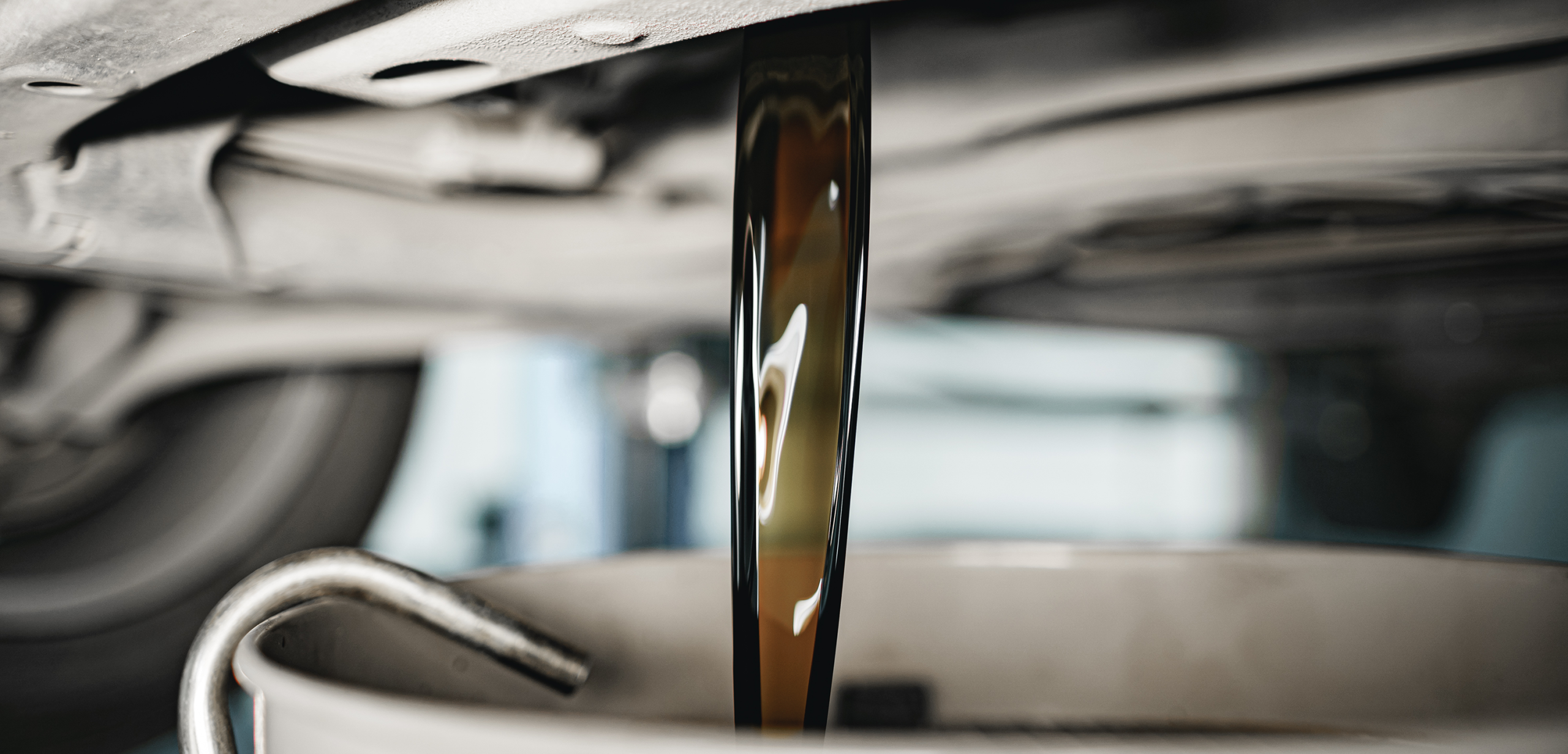
Your car engine’s lifeline is its engine oil – a very critical component that makes your vehicle move so efficiently and smoothly. Engine oil must be regarded as armor for your engine’s moving parts, avoiding friction, wear protection, and keeping your engine at the ideal temperatures.
Low oil levels in your engine place your vehicle in grave danger. Your car is at risk of major damage from excessive friction between your engine’s components, too much wear on your engine causing irreparable damage, overheating from insufficient lubrication levels in the engine, and engine seizure at worst. All these consequences result in expensive repairs or replacement with a new engine.
A well-serviced oil level keeps your engine in prime working order, prolongs its lifespan, and guards your investment. Your body requires water to function well, and your engine requires the proper level of oil so that it can safely and effectively run.
Warning Signs of Low Engine Oil:
- Unusual engine noises
- Oil pressure warning light
- Burning smell
- Decreased performance
- Engine is running hotter than normal
Regular oil checks are vital to the well-being of your car. Check your oil at least once a month or before you embark on any long journey. This easy maintenance will cost you thousands of dollars less and keep your engine humming reliably for years to come.
Knowing Engine Oil Degradation and How It Affects Performance
Your engine oil toils day and night to ensure your car is running smoothly, but not forever. Even when your car is not in motion, the oil within slowly deteriorates over time through oxidation. It is similar to a piece of apple left in the open – it becomes rotten over time.
This is what occurs to your engine oil as it becomes worn out:
Chemical Changes: The oxygen molecules chemically react with the oil, thickening it and creating damaging deposits
Additive Settling: Your protective additives in the oil are removed from the base oil and settle at the bottom.
Contamination: Combustion residues, metal particles, and dirt get integrated into your oil, reducing its efficiency
Modern engine oils contain specialized additives that serve multiple purposes:
- Anti-wear agents protect metal surfaces
- Detergents keep engine parts clean
- Dispersants prevent sludge formation
- Viscosity modifiers maintain proper oil thickness
When these additives break down, your engine loses its protective shield.
You might notice:
Increased Engine Noise: Metal-on-metal contact creates unwanted sounds
Reduced Fuel Efficiency: Your engine works harder to overcome increased friction
Higher Operating Temperatures: Less effective oil means more heat buildup
Accelerated Engine Wear: Critical components experience faster deterioration
Lab analysis confirms that engine oil degrades largely after one year, irrespective of mileage. The degradation occurs regardless of whether the vehicle is driven in or just sits. Failure in the protective additives even exacerbates engine wear since these parts no longer coat and shield critical engine components effectively.
That is why we recommend regular oil changes at both time and mileage. A regular oil change can keep you from paying expensive repairs and keep your engine running longer. Your owner’s manual has detailed instructions, but keep in mind – frequent oil level checks can catch problems before they get serious.
Long Oil Change Intervals vs. Regular Maintenance: What You Need to Know
Most newer cars have oil change intervals of 10,000 miles or one year. Although the longer ones might be convenient and cheap, they do need strict attention to your car’s maintenance requirements.
The Truth About Extended Oil Change Intervals
Your car’s recommended oil change schedule depends on several factors:
- Driving conditions
- Climate
- Vehicle age
- Engine type
- Oil quality
Even the best engines will consume several quarts of oil during a 10,000-mile interval. Without monitoring, your engine could run critically low on oil before it ever sees the scheduled change.
Finding Your Ideal Maintenance Interval
For drivers who rarely peek under the hood, adopting a more regular oil change interval—every 5,000 miles or every six months—might be the best way to go. This is to prevent unexpected oil loss, so your engine will always have enough lubrication to operate smoothly. Frequent changes also offer maximum engine protection by keeping oil fresh and able to reduce friction and heat to the extreme. Also, with a shorter time horizon, there is more chance to catch issues early on, like leaks or excessive oil usage, which can prevent engine wear and prolong your car’s life.
Regular Maintenance Checklist
To keep your engine safe between oil changes, it is advisable to monitor oil levels each month and inspect for oil leaks beneath your car when it is in park. Be on the lookout for engine noise differences and monitor your oil pressure warning light. Also, monitor the oil consumption so that your engine is properly lubricated and runs smoothly.
Seasonal Considerations
If you own a seasonal vehicle that accumulates minimal mileage, don’t assume the oil stays fresh. Engine oil degrades through:
- Time-based oxidation
- Moisture accumulation
- Temperature fluctuations
- Chemical breakdown
A yearly oil change is still required on vehicles like these, regardless of mileage. It is done in an effort to keep your engine well-lubricated and protected so that it will not suffer excessive wear and, as a result, harm.
Handling Vehicle Recalls and Road Safety
Car recalls are safety alerts you never want to ignore, even if you don’t like your local dealer. The recalls are for possible safety issues that may put you and other motorists in danger.
Repair services related to a recall are free and are only allowed at authorized dealerships when you are notified of a recall. The law binds the manufacturer to inform you of recalls.
Many vehicle owners struggle with persistent dealer communications following recalls. While you can’t completely opt out of recall notifications, you can manage dealer communications effectively:
- Request to be removed from marketing lists
- Specify your preferred contact method
- Keep records of completed recall repairs
- Use online recall lookup tools to verify legitimate notices
A common frustration is dealers attempting to upsell additional services during recall visits. Stay on track with the recall repair by graciously declining any non-recall inspections that are recommended during your visit. If additional repairs are being recommended, obtain a second opinion from your trusted mechanic before approving any work. Always request written records of any recommended repairs for your files. To minimize wait times and be serviced as quickly as possible, try to schedule your recall appointment during off-peak hours.
Remember: Your safety takes priority. A properly maintained vehicle with all recall issues addressed helps ensure reliable performance and prevents potentially dangerous situations, especially when combined with proper oil levels and regular maintenance.
Preparing for a Road Trip: Car Maintenance Checklist and Emergency Kit Essentials
Ready to hit the open road? A successful road trip starts with proper car maintenance and preparation. Here’s what you need to check before your adventure begins:
Essential Pre-Trip Maintenance Tasks:
- Change your oil and check all fluid levels
- Inspect tire pressure, tread depth, and spare tire condition
- Test battery health and charging system
- Check belts and hoses for wear or damage
- Verify all lights are working properly
- Examine brake pads and rotors
- Test your air conditioning system
- Top off the windshield washer fluid
Emergency Kit Must-Haves:
- Self-contained jump pack
- Portable air compressor
- Tire plug kit for temporary repairs
- Basic hand tools (screwdrivers, pliers, adjustable wrench)
- Flashlight with extra batteries
- Emergency flares or reflective triangles
- Work gloves
- Duct tape
- First aid supplies
- Blanket
- Phone charger
- Basic fluids (oil, coolant)
Pro Tip: Store your emergency supplies in a watertight container and keep them easily accessible. Examine your kit and restock it every six months to make sure everything is in working condition.
At HCS Auto Repair, we’ve seen many roadside emergencies that could have been prevented with the right preparation. Based on statistics, dead batteries and flat tires are the most common reasons for roadside calls. Having a vehicle inspection done before heading out on your trip will allow you to pick up on any potential issues before they become road problems.
Looking for a little added peace of mind? Arrange a pre-trip inspection with one of our ASE-certified mechanics. We’ll give your car’s major systems a good once-over and have you cruising on your travels.
Choose HCS Auto Repair
Your engine’s well-being depends on maintaining your oil at the correct levels. A lack of oil can result in severe damage to your engine, expensive repair work, and even full engine failure. Monitoring the oil and replacing it as necessary maintains the dependability of your vehicle’s performance and longevity.
No need to be surprised by flashing lights or unusual sounds – take control and monitor your engine’s oil level. A basic preventative check can prevent serious mechanical problems and cost you thousands to repair.
Our ASE-certified technicians at HCS Auto Repair are ready to serve you with all of your vehicle’s needs. We have serviced the Springdale community since 1988 with sound auto repairs and good advice.
Call and schedule an appointment to get your oil changed or your maintenance check (479) 751-8232. Let’s get your engine running smoothly for years to come.