
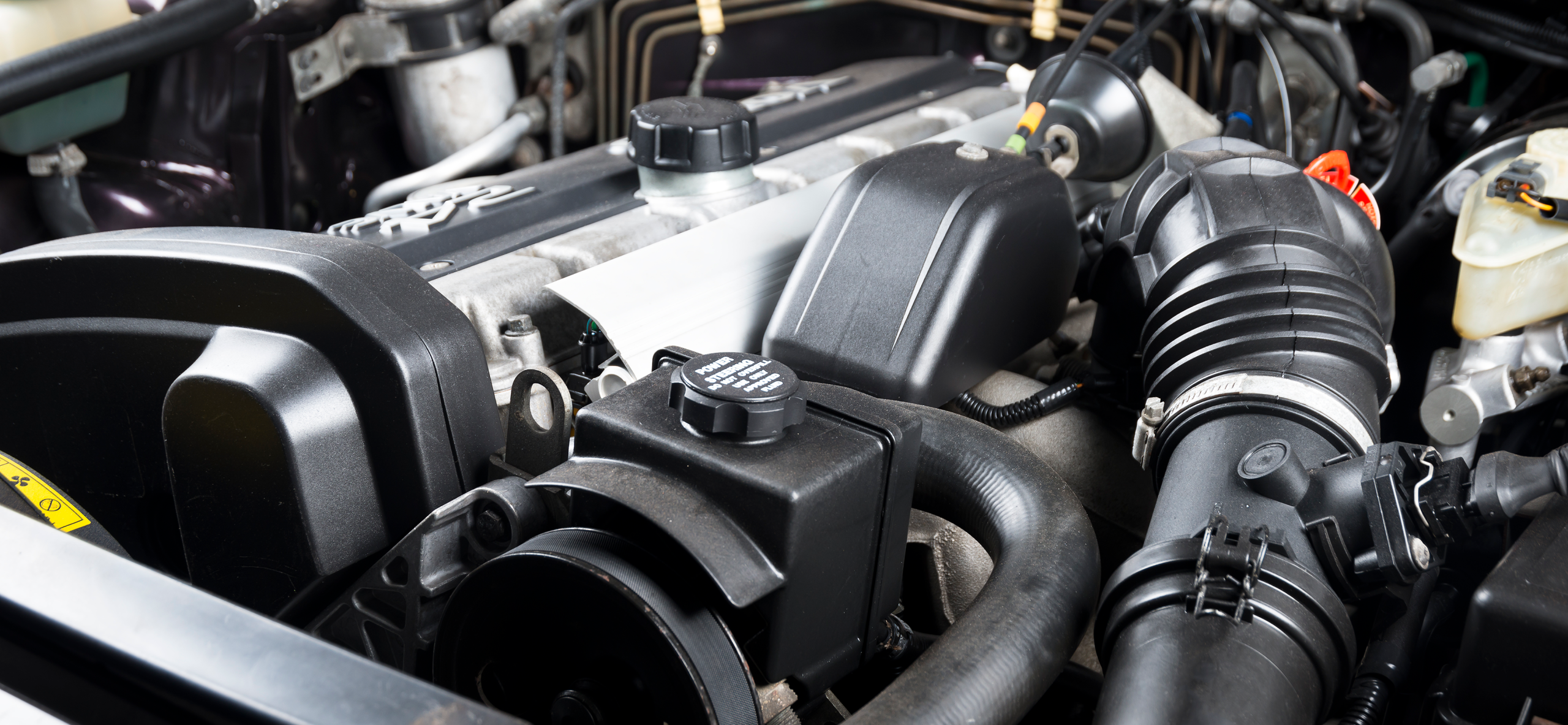
Your car’s engine must breathe clean air to run at its best. Your car’s intake system is your car’s breathing system, breathing clean air while sucking out dirt and debris. This critical part directly affects your engine’s power, gas mileage, and lifespan.
Refilling your intake inventory can unlock secret performance potential in your car. From improved horsepower to improved fuel efficiency, a serviced or upgraded intake system revamps your vehicle. At HCS Auto Repair, our ASE-certified mechanics know the value of getting the maximum out of your car’s breathing system. Let us guide you through intake solutions tailored to your level of performance without compromising reliability.
Desire your turbo to sound like music and experience that extra power? Let’s explore the realm of intake systems and learn how they can help your car drive better.
Finding Out How an Intake System Functions in Your Car
Your vehicle’s intake system is its breathing system. It’s a critical piece of equipment that is responsible for drawing air into your motor and eliminating detrimental elements. Consider your engine’s lungs – it must have clean air to work efficiently.
How the Stock Intake System Works
The stock intake system follows a specific path:
- Air enters through the intake opening
- Flows downward to trap debris
- Passes through a filter to remove contaminants
- Travels up to your engine
The Importance of the Mass Air Flow Sensor
A key component in this system is the mass air flow sensor. This device measures the amount of air entering your engine and communicates with your car’s computer to optimize performance.
What OEM Intake Designs Focus On
OEM intake designs prioritize two main aspects:
Clean Air Delivery: Stock systems use strategic routing and high-quality filters to protect your engine from dirt, water, and debris
Noise Control: Factory intakes are engineered to minimize engine sound, creating a quieter driving experience
Why Your Engine Needs Filtered Air
Your engine needs this filtered air for the combustion process. When fuel is combined with air in your engine cylinders, it produces the controlled explosions that energize your car. Clean, finely filtered air halts engine wear and optimizes performance levels.
Advantages of Having an Aftermarket Intake
An intake upgrade done in the aftermarket can change your driving experience in so many ways. A fine-tuned aftermarket system such as the Blitz carbon fiber intake repositions its air intake close to the wheel well, sucking in cold air from outside the engine compartment. This is a game-changer when it comes to performance.
1. Power Output is Boosted
Cold air is heavier than hot air, containing more oxygen molecules per breathing cycle. As your engine draws in this heavier air, it can generate more forceful combustion, meaning the real power gains. Real-world testing shows improvements of approximately:
- 10 horsepower increase
- 20 Nm torque boost
2. Sound Enhancement
The noise differential between stock and aftermarket intakes is just mind-boggling. Stock intakes only mute the noise of your engine, while aftermarkets let the pleasant sounds of your engine revving. You can hear sharp turbo sounds and enhanced induction sounds that make every ride a joy.
3. Visual Appeal
High-end aftermarket intakes, especially carbon fiber ones, have a stylish aspect that borders on audacity for your engine compartment. These products are not just functional pieces – they are designed to be flaunted when you lift the hood, with premium materials and meticulous design that loudly proclaim “serious performance chops.”.
Common Types of Intake Systems and Their Impact on Performance
Let’s explore your intake system options, from basic modifications to premium upgrades:
1. Drop-in Filters
- A simple replacement of your stock air filter
- Cost-effective solution ($50-200)
- Minimal performance gains
- Slight increase in turbo sounds
- Potential reliability concerns with lower-quality filters
2. Basic Tube-Style Intakes
- Filter attached directly to a tube
- Enhanced turbo sounds
- Limited heat protection
- Budget-friendly ($200-400)
- Risk of hot air intake reducing power
- Possible fitment issues with engine covers
3. Premium Cold Air Intake Systems
- Heat shields for temperature control
- Cold air scoops near wheel wells
- High-quality filters (K&N, Sprint)
- Professional design and materials
- Premium pricing ($800-1200)
- Example: Blitz carbon fiber system
4. Free Performance Mods
- Remove factory intake restrictions
- Eliminate snow guards
- Open blocked intake spots
- Zero cost
- Results vary by vehicle make/model
Your choice depends on your priorities – sound enhancement, performance gains, or budget constraints. Premium systems offer the best balance of performance and reliability, while basic modifications can satisfy those seeking enhanced engine sounds without significant investment.
Installation Insights and Considerations for Aftermarket Intakes
Plugging in an aftermarket intake may look easy, but it also needs attention to detail. Removing your factory airbox, moving necessary components, and overcoming fitment issues are all part of the process.
Key Installation Steps:
- Disconnect and carefully remove the mass air flow sensor
- Remove the stock airbox system
- Install heat shields and necessary brackets
- Transfer and reconnect the mass air flow sensor
- Route cold air intake components properly
Fitment Challenges
Different car models present unique installation hurdles. As seen with the Integra installation, the cold air intake piece might need modifications to fit properly. Professional tools like a rotary tool might be necessary for precise adjustments.
Safety Considerations
When working with carbon fiber intakes, wearing proper protective equipment is crucial:
- Use a mask to avoid inhaling carbon fiber particles
- Ensure clean cuts to prevent sharp edges
- Apply protective tape on modified areas
The complexity of modern engine management systems makes proper sensor installation critical. The mass air flow sensor needs to be properly mounted and connected so accurate engine performance readings can be seen. To be sure, reputable auto repair centers can do the intake installation for you, assuring proper fitment and optimal performance.
Maintenance Tips for Optimal Intake Performance
Your intake system needs regular attention to maintain peak performance. A dirty filter can let harmful particles into your engine – just like the dirt found inside that basic filter-on-tube setup mentioned in the video.
Here’s what you need to do:
Regular Filter Inspections: Check your filter every 15,000-20,000 miles for dirt buildup
Professional Cleaning: Get your filter professionally cleaned if it’s reusable or replaced if it’s disposable
System Check: Look for loose connections, cracks, or wear in the intake tubing
Sensor Care: Keep your mass airflow sensor clean and properly connected
We’ve witnessed firsthand the effect of a neglected intake on engine performance. Our ASE-certified mechanics utilize state-of-the-art equipment to scan and properly maintain your intake system so your engine gets clean, cool air for the best performance.
Real-world Performance Gains from Upgraded Intakes: What to Expect on the Road
The numbers don’t lie – upgrading your intake system delivers measurable performance improvements. Based on real-world testing, you can expect:
Horsepower Boost: ~10 hp increase
Torque Enhancement: ~20 Nm gain
Improved Throttle Response: More immediate power delivery
Beyond the raw numbers, the driving experience transforms dramatically. The enhanced turbo sounds create an immersive connection between you and your vehicle. As demonstrated in our test drive, the balance between the intake sound and exhaust note achieves perfect harmony – not overly aggressive, but distinctly sporty.
The throttle response feels noticeably sharper, with the car exhibiting a slight but satisfying “hop” during acceleration. While dyno numbers tell one story, the seat-of-the-pants feel tells another – your car becomes more engaging and enjoyable to drive.
Premium intake systems, like the Blitz carbon fiber setup, maximize these benefits through superior engineering and materials. The combination of cold, dense air delivery and optimized flow creates a more responsive, powerful driving experience you’ll appreciate with every press of the accelerator.
Why Choose HCS Auto Repair for Your Intake Upgrade Needs?
Your car deserves expert care when it comes to intake system upgrades – that’s where we come in. We’ve been proudly serving the Springdale community since 1988. Our team of ASE-certified technicians brings decades of experience to every vehicle service.
We provide full service to have the intake system of your car operating at optimal levels. Our experts deliver full intake system diagnostics, employing the latest equipment and techniques to precisely determine any issues that impact performance or efficiency. For upgrade or replacement, rely on our expert installation procedures for superior fitment and best results. To keep your system in prime condition in the long term, we also provide regular maintenance and checks that avoid problems before they happen.
Apart from intake work, HCS Auto Repair does it all, from straightforward oil changes to intricate repairs, so that your car receives the professional attention it deserves regardless of the service.
When you come into our Springdale, AR store, you’re not just another customer – you’re family. We build life-long relationships with our customers, taking care of every vehicle as if it were our own. Ready to kick your car’s performance into high gear with an intake upgrade? Give us a call today at (479) 751-8232 or stop by HCS Auto Repair and experience the difference expert care makes.