
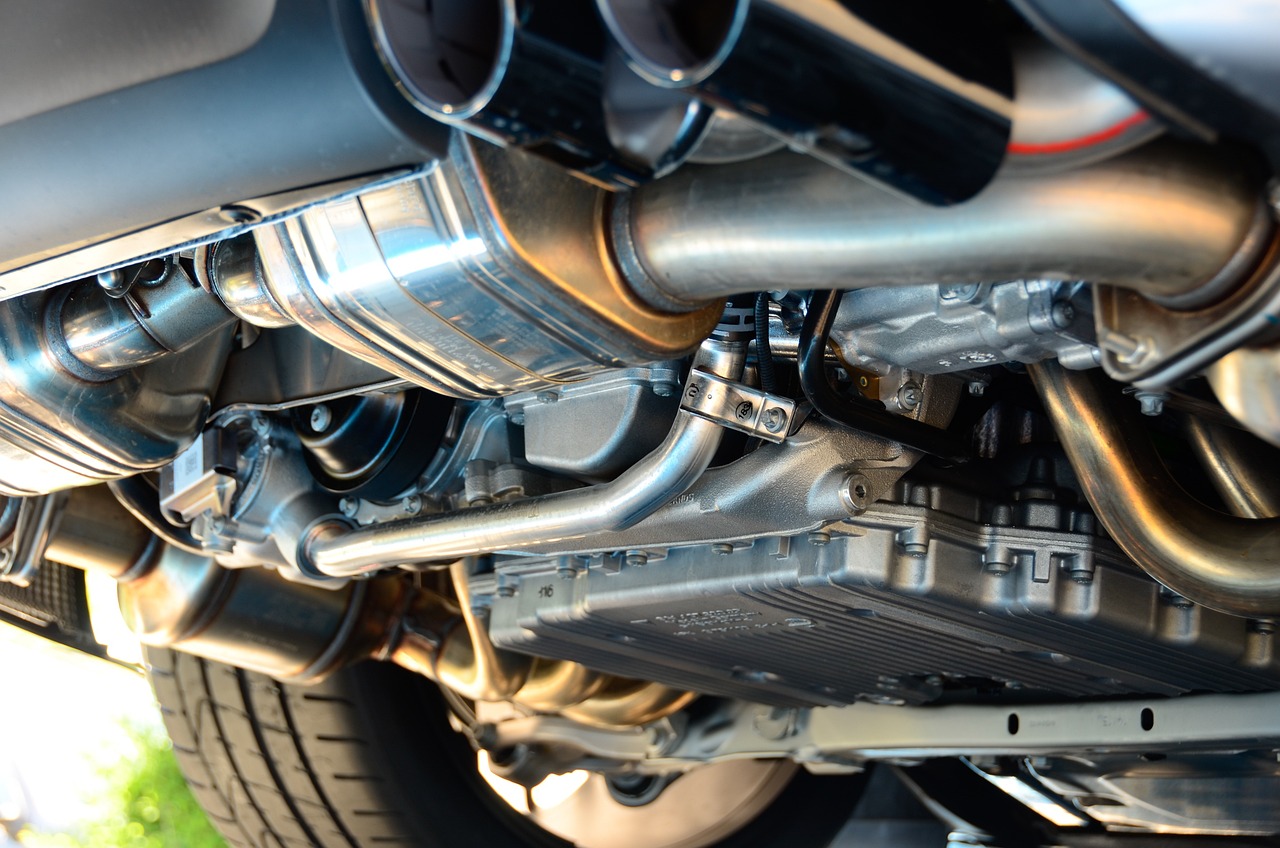
Does your car smell excessively like fuel? That’s not good! Be sure to stay in a well-ventilated area when cleaning or working on your car until the issue is found or resolved- you don’t want to be breathing in those vapors. Continue reading below for some top tips on how to deal with this issue and what some common causes are, especially if you are in the Rogers, AR, area.
Common Symptoms of a Fuel System Issue
If you’re experiencing issues with your fuel system, look out for signs such as fuel vapor in the air, which could indicate a fuel leak. You might also notice running conditions like a no-start scenario or even stalling while driving. Any of these symptoms could signal a serious problem with your fuel system that needs attention. Given these possibilities, it’s important for you to check it out. With that in mind, let’s begin the diagnostic process under your vehicle now.
Searching for Smells and Leaks
As you safely make your way underneath the vehicle, take a close look for any apparent leaks. In this area, you might notice a visual leak; for example, gasoline could be seeping out of the fuel filter. Sometimes, however, the leak might not be visible, but you can detect the vapor in the air.
Keep in mind that not every vehicle will have an external fuel filter like this one. Typically, you’ll have fuel lines that run from the fuel pump sending unit inside the fuel tank, up towards the fuel filter, assuming there is an external one, and then continue all the way up to the fuel injectors in the engine. Be sure to inspect all of these areas thoroughly.
At this point, you should confirm whether you need an external fuel filter for your specific vehicle. Now, let’s proceed towards the fuel tank!
Checking the Fuel Tank and Pump for Problems
Inside your fuel tank, you’ll find the fuel pump assembly. While it might look a bit different depending on your vehicle, generally, the top is where you should pay close attention for any signs of a fuel or vapor leak. This is often caused by a seal issue. If the metal on the top of the tank or around the fuel-sending unit has rotted or hasn’t been cleaned in a while, you could have a leak in that area.
Leaving debris on metal surfaces can trap moisture and lead to further rusting. This part can be tough to inspect since it’s located at the top of the tank, but some vehicles may have an access port. Otherwise, you may need to maneuver into a tight spot to get a good look.
Problems Caused by Fuel Lines and Filters
Let’s talk about the fuel lines themselves. They might be made out of metal or plastic, like the ones you’re working with. If they are made of metal, it’s common for them to rust or rot in certain areas, especially where moisture can accumulate, like at anchor points. If your fuel lines are running along a frame rail, pay special attention to the inside of that frame for any moisture or debris; anything sitting in that area could lead to serious issues. If your lines are plastic, that’s less of a concern, but any metal sections could definitely pose a problem.
Take a look at the fuel filter. If it’s extremely rotted and you notice a small pinhole, that’s a clear sign of trouble. If you see any dark areas, that could indicate a small leak, and you might also smell some fuel vapor. If it’s easy for you to poke a hole right into it and you see fuel squirting out, you’ve got a serious issue. Remember, the fuel system is under pressure.
Since there are several connection points, make sure to give them a close inspection. You definitely don’t want any of these connections to be able to pull off easily. If anything feels broken or damaged, you should replace the line or at least the connector.
As you follow the fuel line, you’ll see it runs along the transmission. Make sure to check its condition. Once you get to the engine compartment, there’s the fuel line right out in the open, making it easier to inspect. As you cross over the engine, look at where the fuel line connects to the fuel rail. Check for any leaks there.
In a four-cylinder setup, there will be four fuel injectors. Take a closer look at each injector. You’ll find O-rings at the top and bottom; these serve as seals between the fuel rail and the injector, or between the injector and the engine. These are common spots for leaks. Also, examine the fuel injector itself; if it looks swollen or cracked, that’s a sign you need to address it immediately.
Looking at Fuel Injectors
When you’re looking at fuel injectors, it’s a good idea to replace the problematic ones, but you should consider replacing all of them at the same time. If you have four injectors, it’s best to replace all four. At this stage, we’ve covered the common signs you should watch for if you suspect a fuel issue, whether it’s a vapor smell in the air or an actual fuel leak.
Our Problem and What to Do After Repairs
You’ve discovered that your vehicle has an issue with the fuel filter, while the rest of the fuel system appears to be in good condition. Continue with the repair and confirm the fix once everything is completed. As you proceed, remember to clean up your workspace and double-check all your connections.
Take a moment to examine the original fuel filter. You’ll notice it’s extremely rotted with a small hole in it. Make your way out from underneath the vehicle and start it up. Be sure to check for any fuel leaks. When you start your vehicle, you might experience a long crank. This is normal because the fuel system needs to build up pressure.
It’s time again to check for leaks. If everything looks good, you’re in the clear! Remember, it’s crucial to check for both vapor leaks and visible fuel leaks dripping onto the ground. Fixing these issues immediately is important for your safety and the proper functioning of your vehicle.
Choose HCS Auto Repair
When you’re in need of professional help with your vehicle, you don’t have to search any further. Here at HCS Auto Repair, we are dedicated to providing you with the best service possible. Whether your car is making strange noises, needs routine maintenance, or you’re facing a more complex issue, our experienced team is here to help.
You can trust us to get your vehicle back in top shape so you can get back on the road with confidence. Give us a call today at (479) 751-8232 for more information or to schedule our professional services! Your satisfaction and safety are our top priorities!