
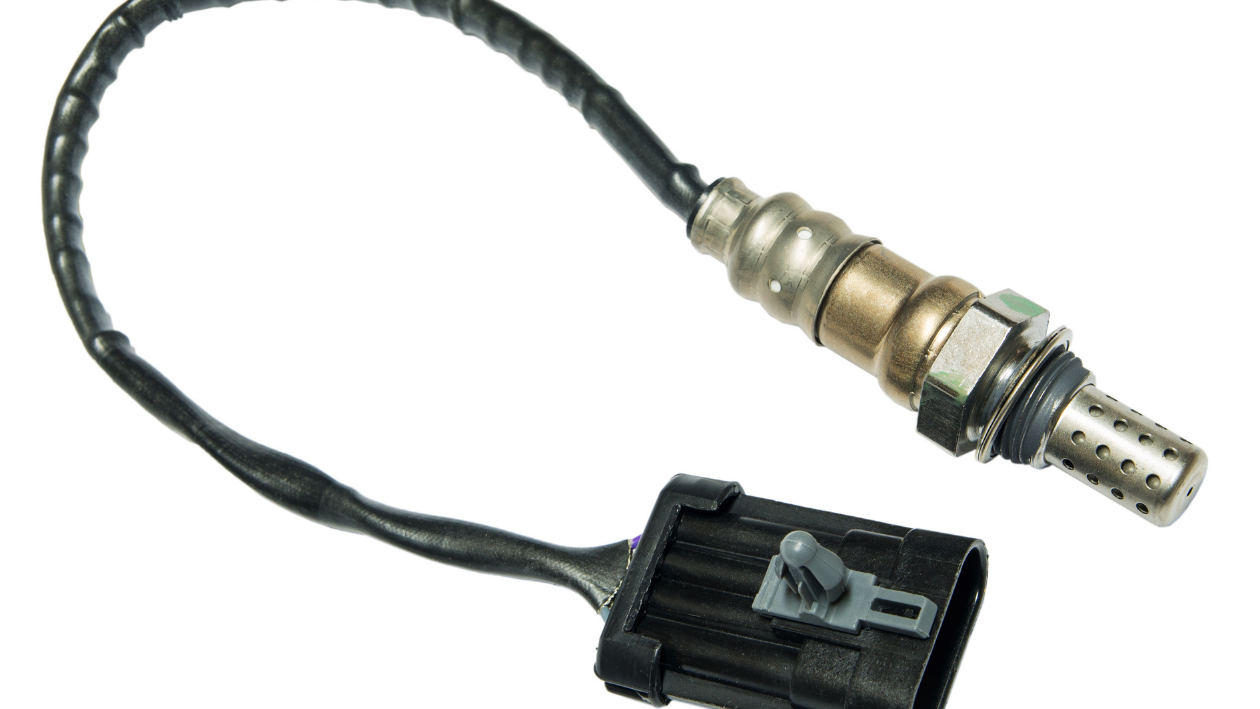
As climate change becomes a more pressing concern, attention has been increasingly focused on vehicle emissions. Cars, trucks, and other motor vehicles are major contributors to air pollution, accounting for approximately one-fifth of global carbon dioxide (CO2) emissions. With regulatory agencies placing stricter limitations on acceptable emission levels, it is more important than ever for vehicle owners to understand the factors that contribute to excessive emissions. One critical component of a vehicle’s emission system that often goes overlooked is the oxygen sensor (O2 sensor).
A malfunctioning oxygen sensor can dramatically increase a vehicle’s emission levels, leading not only to environmental harm but also to decreased fuel efficiency and potential damage to the engine. This article explores how faulty oxygen sensors impact vehicle emissions, the symptoms of a failing O2 sensor, and the importance of timely repairs.
Understanding the Role of an Oxygen Sensor
To fully appreciate the importance of oxygen sensors, it’s essential to first understand their role in a vehicle’s engine. The oxygen sensor is part of a car’s emissions control system and is responsible for monitoring the ratio of oxygen to fuel in the exhaust gases that leave the engine. Ideally, the fuel-to-oxygen ratio should be perfectly balanced, allowing for complete combustion. This balance is known as the “stoichiometric ratio” (14.7 parts air to 1 part fuel for gasoline engines).
Modern vehicles typically have multiple oxygen sensors, with most having at least one before the catalytic converter and another after it. These sensors help the engine control unit (ECU) make real-time adjustments to the fuel mixture, ensuring optimal engine performance and minimizing emissions.
If the air-fuel ratio is too rich (too much fuel), the combustion process produces excessive amounts of harmful emissions, such as carbon monoxide (CO) and hydrocarbons (HC). On the other hand, a lean air-fuel ratio (too much oxygen) can increase nitrogen oxide (NOx) emissions and cause engine performance issues. The oxygen sensor plays a critical role in preventing these problems by ensuring that the engine maintains the proper air-fuel balance.
How a Faulty Oxygen Sensor Leads to Increased Emissions
When an oxygen sensor fails, it can no longer accurately measure the oxygen levels in the exhaust. As a result, the vehicle’s ECU cannot properly adjust the air-fuel ratio, causing the engine to run either too rich or too lean. Both conditions lead to increased emissions:
- Running Rich (Too Much Fuel): When the oxygen sensor fails to detect the correct oxygen levels in the exhaust, it can cause the engine to inject too much fuel into the combustion chamber. This leads to incomplete combustion and the production of higher levels of carbon monoxide, hydrocarbons, and soot. In addition to producing more harmful pollutants, running rich also reduces fuel efficiency, causing the vehicle to consume more gasoline than necessary.
- Running Lean (Too Much Oxygen): A faulty oxygen sensor may also cause the engine to inject too little fuel, resulting in a lean air-fuel mixture. While this might seem like it would reduce emissions, a lean mixture can actually increase nitrogen oxide emissions, which are harmful pollutants that contribute to smog and respiratory issues in humans. Additionally, running lean can cause the engine to overheat, leading to further mechanical problems.
In both scenarios, the vehicle’s emission levels exceed the acceptable standards set by environmental agencies, which can result in the vehicle failing an emissions test.
Symptoms of a Faulty Oxygen Sensor
Recognizing the signs of a failing oxygen sensor is crucial for maintaining vehicle performance and avoiding unnecessary environmental harm. Some of the common symptoms of a faulty O2 sensor include:
- Check Engine Light: One of the first signs of an oxygen sensor problem is the illumination of the check engine light on the dashboard. While this warning light can indicate a variety of issues, a faulty oxygen sensor is one of the most common reasons for its activation.
- Poor Fuel Efficiency: If you notice that your vehicle is using more fuel than usual, it could be due to a failing oxygen sensor. An inaccurate reading from the sensor can cause the engine to inject more fuel than necessary, leading to lower fuel economy.
- Rough Idling or Misfires: A faulty oxygen sensor can cause the engine to run unevenly, leading to rough idling or misfires. This is because the engine is not receiving the correct fuel mixture, which can disrupt its smooth operation.
- Increased Emissions: If your vehicle fails an emissions test or you notice a strong, unpleasant smell coming from the exhaust, it could be due to excessive emissions caused by a malfunctioning oxygen sensor. High levels of pollutants like carbon monoxide and hydrocarbons are often the result of a faulty sensor.
- Engine Hesitation or Power Loss: A failing oxygen sensor can lead to inconsistent engine performance, causing hesitation or a noticeable loss of power during acceleration. This is a direct result of the engine not receiving the proper air-fuel mixture.
- Black Smoke from Exhaust: When the engine is running too rich due to a faulty oxygen sensor, you may notice black smoke coming from the exhaust pipe. This is a sign that the engine is burning too much fuel and producing excessive emissions.
The Importance of Timely Repairs
Ignoring the signs of a failing oxygen sensor can lead to more significant problems down the road. Not only does a faulty oxygen sensor increase vehicle emissions, but it can also lead to engine damage, decreased fuel efficiency, and costly repairs.
- Damage to the Catalytic Converter: The catalytic converter is responsible for converting harmful pollutants in the exhaust into less harmful emissions before they are released into the atmosphere. A faulty oxygen sensor can cause the engine to produce too much fuel, which can clog or damage the catalytic converter. Repairing or replacing a damaged catalytic converter can be expensive, often costing several hundred dollars.
- Decreased Fuel Efficiency: As mentioned earlier, a malfunctioning oxygen sensor can cause the engine to use more fuel than necessary. Over time, this can lead to significant increases in fuel costs, particularly if the sensor is not replaced promptly.
- Failed Emissions Tests: In many areas, vehicles are required to pass emissions tests to be legally driven. A faulty oxygen sensor can cause your vehicle to fail these tests, leading to fines, repair costs, and the inconvenience of having to retest the vehicle.
Replacing a Faulty Oxygen Sensor
Fortunately, replacing a faulty oxygen sensor is a relatively simple and inexpensive repair. Most modern vehicles are equipped with sensors that are designed to last between 60,000 and 100,000 miles, depending on driving conditions and vehicle maintenance. When replacing an oxygen sensor, it is essential to use the correct type for your vehicle, as sensors vary depending on the make and model.
While some vehicle owners may attempt to replace the sensor themselves, it is generally recommended to have a professional mechanic perform the repair. This ensures that the sensor is installed correctly and that any underlying issues with the vehicle’s emissions system are identified and addressed.
Conclusion
A faulty oxygen sensor is a small but critical component of a vehicle’s emissions control system. When it malfunctions, it can lead to increased emissions, poor fuel efficiency, and potential damage to the engine. Recognizing the symptoms of a failing oxygen sensor and addressing the issue promptly can help reduce your vehicle’s environmental impact, save on fuel costs, and prevent more costly repairs down the road.
As environmental regulations continue to tighten, vehicle owners must take responsibility for maintaining their vehicles and minimizing emissions. By staying vigilant and ensuring that your oxygen sensor is functioning properly, you can contribute to cleaner air and a healthier planet while keeping your car running efficiently.
For additional inspection, call us at Springdale – 479-662-1221 or Rogers – 479-329-1478