
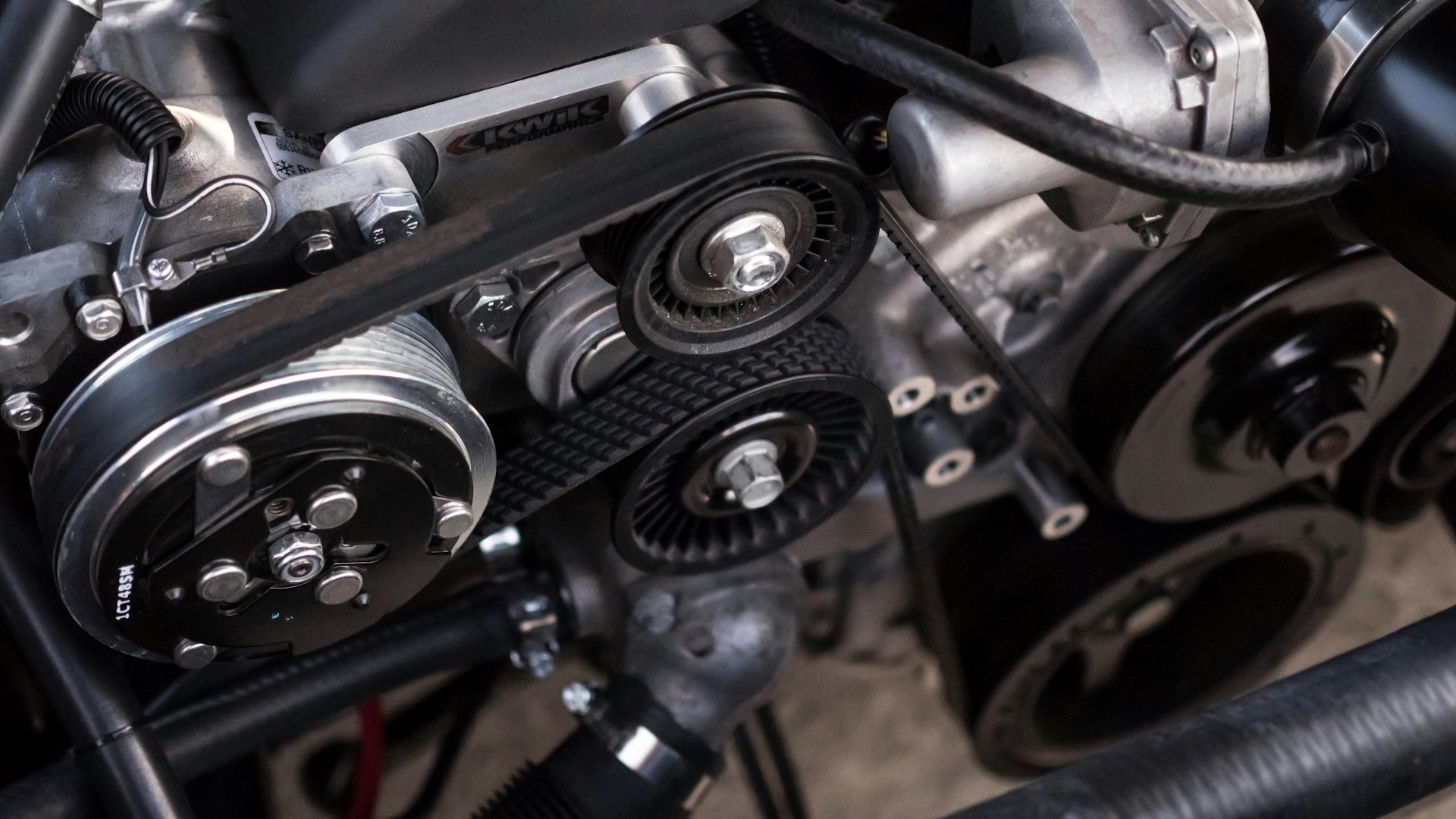
The timing mechanism within your vehicle’s engine plays a crucial role in ensuring the proper synchronization of internal components. At the core of this system are two critical parts: the timing belt and the timing chain. Both perform the same fundamental task but have different features, lifespans, and maintenance requirements. Understanding the differences between the two is essential for anyone looking to maintain or repair their car’s engine effectively.
Introduction to Timing Mechanisms
Before diving into the specifics of timing belts and chains, it’s important to understand their function within the engine. The timing belt or chain synchronizes the rotation of the crankshaft and the camshaft(s). This coordination allows the engine’s valves to open and close at precisely the right times during each cylinder’s intake and exhaust strokes. In short, timing belts and chains ensure the engine runs smoothly, efficiently, and without collision between components.
Let’s explore the key characteristics of both timing belts and timing chains and how they differ.
What is a Timing Belt?
A timing belt is a reinforced rubber belt with teeth on its inner side. These teeth interlock with the gears of the crankshaft and camshaft to control the engine’s timing. While many modern vehicles still use timing belts, the trend is gradually shifting towards timing chains due to the longer lifespan of the latter.
Key Features of a Timing Belt:
- Material: Typically made from durable rubber compounds reinforced with fiberglass or Kevlar for added strength.
- Lifespan: Most timing belts have a lifespan of around 60,000 to 100,000 miles. Regular inspection and replacement are critical to avoid potential engine damage.
- Cost: Timing belts are generally cheaper to manufacture and replace compared to timing chains.
- Noise: Timing belts operate more quietly than chains, contributing to a smoother ride.
Advantages of a Timing Belt:
- Lightweight: Because it’s made of rubber and synthetic materials, a timing belt is lighter than a chain, helping slightly with fuel efficiency.
- Quieter Operation: The smooth, flexible material minimizes noise during engine operation.
- Less Maintenance: Though timing belts need to be replaced periodically, they don’t require lubrication like timing chains do.
Disadvantages of a Timing Belt:
- Replacement Frequency: Timing belts need regular replacement due to their tendency to wear out over time. Ignoring the manufacturer’s recommendations can lead to belt breakage and catastrophic engine failure.
- Vulnerability to Heat and Oil: Exposure to engine heat or oil leaks can cause premature wear or deterioration.
What is a Timing Chain?
A timing chain is made of metal links and functions similarly to a bicycle chain. It connects the crankshaft to the camshaft(s) and controls the timing of the engine’s valves. Unlike timing belts, timing chains have a much longer lifespan and are often designed to last the life of the engine.
Key Features of a Timing Chain:
- Material: Made from durable metal links, offering superior strength and durability.
- Lifespan: Timing chains can last 150,000 to 200,000 miles or more, and in many cases, they are never replaced unless there’s an issue.
- Cost: Although more expensive than timing belts, timing chains last much longer, making them a worthwhile investment for many car owners.
- Maintenance: Timing chains require regular lubrication from engine oil to ensure smooth operation and prevent excessive wear.
Advantages of a Timing Chain:
- Durability: Timing chains are built to last, making them a more reliable long-term option for many drivers.
- Less Frequent Replacements: Unlike timing belts, timing chains usually last for the entire lifespan of the vehicle’s engine, meaning fewer repairs and maintenance costs.
- Greater Strength: The metal construction of the timing chain makes it more resistant to stretching or snapping under pressure.
Disadvantages of a Timing Chain:
- Noise: Timing chains tend to be noisier than belts, which can lead to increased cabin noise during driving.
- More Complicated Repairs: If something does go wrong with a timing chain, the repair process can be more complicated and costly due to the chain’s location inside the engine.
- Tensioner Issues: Over time, the tensioner that keeps the chain in place may wear out, requiring a replacement to prevent the chain from skipping or loosening.
Timing Belts Vs. Timing Chains: Key Differences
Now that we understand the basics of both timing belts and chains, let’s compare them across a few critical categories:
- Material and Construction
- Timing belts are made from reinforced rubber, while timing chains are made from metal links.
- Chains are more durable, while belts offer smoother, quieter operation.
- Lifespan
- Timing belts typically need replacement every 60,000 to 100,000 miles.
- Timing chains, by contrast, often last the lifetime of the engine but may require tensioner replacement.
- Cost
- Timing belts are cheaper to manufacture and replace, but their shorter lifespan means more frequent repairs.
- Timing chains are more expensive upfront but provide long-term savings due to their durability.
- Maintenance
- Timing belts require periodic replacement, especially in older vehicles.
- Timing chains need lubrication and are more resistant to wear but can cause major issues if the tensioner fails.
- Noise
- Timing belts operate almost silently, while timing chains can produce more noise, especially as they age or if the tensioner wears out.
Common Issues with Timing Belts
Even though timing belts are designed to last for many miles, they are not immune to failure. Below are some common issues that car owners may face:
- Wear and Tear: Over time, the rubber of the belt can weaken, stretch, or lose teeth, causing misalignment of the timing system.
- Oil Leaks: If oil leaks from the engine onto the timing belt, it can cause the belt to deteriorate and break prematurely.
- Tension Loss: Belts can lose their tension, leading to incorrect valve timing and potential engine damage.
Signs of Timing Belt Problems:
- A ticking noise coming from the engine
- Difficulty starting the vehicle
- Engine misfires or stalls
- Oil leaking from the front of the engine
Common Issues with Timing Chains
Though they are more durable, timing chains are not free from issues. Some common timing chain problems include:
- Chain Stretch: Over time, the metal links of the chain can stretch, causing misalignment and poor engine performance.
- Tensioner Failure: The tensioner ensures that the timing chain remains tight. If the tensioner fails, the chain can become loose, leading to engine damage.
- Wear and Tear: Although rarer than with belts, timing chains can wear out, especially in high-mileage vehicles.
Signs of Timing Chain Problems:
- Rattling or clanking noise, especially when starting the vehicle
- Engine misfiring or running rough
- Check engine light illuminating
Timing Belt Replacement Process
Replacing a timing belt is a relatively common procedure but should always be done by a professional mechanic. Here’s a quick overview of the process:
- Remove Accessories: The mechanic will remove the necessary engine components, such as the serpentine belt, to access the timing belt cover.
- Remove Timing Belt Cover: The cover protecting the timing belt is removed to expose the belt itself.
- Replace Belt and Tensioner: The old belt is taken off, and a new belt is installed along with a new tensioner and any other worn components.
- Reassemble and Test: After the belt is replaced, all the components are reassembled, and the engine is tested to ensure proper operation.
Timing Chain Replacement Process
Though less common, timing chains sometimes need to be replaced. This process is more complex than replacing a timing belt and may involve the following steps:
- Access the Timing Chain: The mechanic must remove multiple components, including parts of the engine block, to access the chain.
- Inspect the Chain and Tensioner: Both the chain and its tensioner are inspected for wear and tear. In most cases, both will be replaced together.
- Install New Chain: A new chain is installed along with a new tensioner, ensuring proper timing and tension are restored.
- Reassemble and Test: The mechanic will reassemble the engine and test the vehicle for smooth operation.
Why You Should Choose HCS Auto Repair for Your Engine Repair Needs
HCS Auto Repair understands that timing belts and chains are integral to your vehicle’s performance. Our team of experienced, certified technicians is trained to handle engine repairs of all complexities, ensuring your vehicle remains in top condition. Here’s why you should trust us with your engine repair:
- Expertise: With years of experience in automotive repair, our skilled mechanics are equipped to diagnose and repair issues with timing belts, chains, and other engine components.
- Top-Quality Parts: We use only high-quality replacement parts to ensure the longevity of your engine and vehicle.
- Transparent Pricing: At HCS Repair, we believe in transparent, upfront pricing with no hidden costs.
- Customer Satisfaction: We are committed to providing the best service to our customers, ensuring they drive away with confidence after every repair.
- Comprehensive Services: Beyond timing belt and chain repairs, we offer a wide range of automotive services to keep your vehicle running smoothly.
Don’t leave the health of your vehicle’s engine to chance—contact HCS Auto Repair today for expert timing belt and chain repairs you can trust. Let us help you