
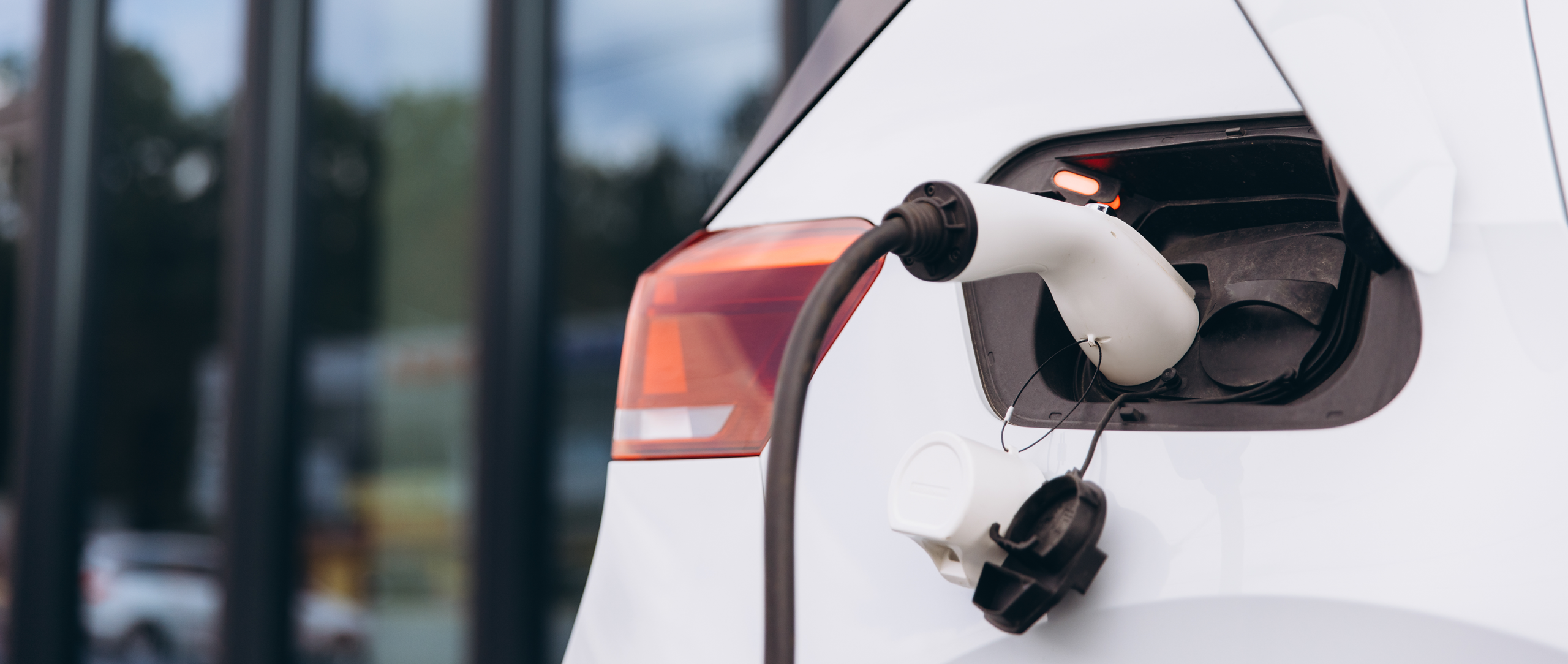
Electric cars are revolutionizing the transport model. Their greenness, excellent performance, and minimal operating costs mean that it comes as no surprise that EVs are becoming increasingly popular with today’s motorists.
You may be told that electric vehicles are maintenance-free, but in reality, this is not the case. While EVs do eliminate much of the conventional maintenance woes, such as oil changes and tune-ups, they will need special care to keep them running best and lasting long.
Consider your EV to be a modern gadget that requires gentle handling. Just as you would not anticipate your smartphone to perform in good condition without some effort, your electric vehicle also applies routine maintenance to perform well.
Key areas of EV maintenance include:
- Battery health management
- Tire care and rotation
- Brake system maintenance
- Cooling system upkeep
- Regular brake pad inspections
These maintenance issues are not specifically typical of old cars, but they’re important to your EV operating optimally and keeping its value. If you’re a new car owner or looking to make an EV switch, these key maintenance tips will allow you to preserve your investment and enjoy silky-smooth ride quality for the long haul.
Let’s take a glance at the five maintenance tasks necessary for every EV owner to know to keep your electric vehicle in top shape.
1. Tire Rotation: Maintaining Your Electric Vehicle’s Grip
Your electric vehicle may not boast a conventional motor, but tire care remains an EV maintenance aspect. The special design of EVs poses inherent challenges to both tire wear and performance.
Why EVs Need Regular Tire Rotation
- Heavy battery packs add substantial weight to your vehicle
- High-torque electric motors can rapidly accelerate tire wear
- Uneven tire wear affects your EV’s range and efficiency
The all-instant torque characteristics of electric motors are especially tough on your tires. When you accelerate, your EV’s aggressive motor response places tremendous stress on the tire surface, and that stresses wear patterns to build up at an increasing rate compared to non-electric vehicles.
Recommended Rotation Intervals
- Tesla Model 3: Every 6,250 miles
- Chevrolet Bolt: Every 7,500 miles
- Nissan Leaf: Every 7,500 miles
Regular tire rotation helps distribute wear evenly across all four tires, maximizing their lifespan and maintaining optimal grip. This practice ensures:
- Consistent handling and traction
- Better road safety in various weather conditions
- Extended tire life
- Improved vehicle efficiency
Your tires on your EV are crucial to performance and safety. By using these manufacturer-specified rotation intervals, you are taking care of your investment and keeping your electric vehicle in a well-maintained state.
2. Fluid Maintenance of the Braking System
Your electric vehicle’s brake fluid is a critical component of your safety gear in your car. Electric cars use a lot of high levels of regenerative braking to slow the vehicle and also recharge the battery, but some amount of old-school hydraulic brakes need to be utilized in order to deliver first-rate braking capability and emergency braking.
The hydraulic brake system employs the pressurized brake fluid to generate pressure in order to push brake pads on rotors. Brake fluid is pressurized and needs special characteristics to function correctly.
Here’s what happens to brake fluid over time:
- Water contamination can occur through microscopic pores in brake lines
- Debris accumulation affects the fluid’s ability to maintain proper pressure
- Heat cycles can degrade the fluid’s performance
- Air bubbles might form, creating a “spongy” brake pedal feel
Manufacturer-Recommended Service Intervals:
- Tesla Model 3: Every 2 years or 25,000 miles
- Chevy Bolt: Every 5 years
Regular brake fluid maintenance helps prevent:
- Reduced braking efficiency
- Corroded brake components
- Complete brake system failure
- Expensive repairs to brake lines and calipers
A quick brake fluid check can indicate the presence of contamination through color change – normal brake fluid is usually light amber or clear, and dirty is dark or dirty. Your brake fluid condition directly affects your EV’s stopping power, so it is an important part of your car’s service schedule.
3. Coolant Replacement: Safeguarding Your Battery and Maintaining Its Efficiency
Your electric car may not include a conventional engine, but it does require a solid cooling system. This critical part assists in controlling your EV battery temperature, a crucial aspect of performance and safety.
Think of your EV’s cooling system as a temperature guardian. Without proper coolant maintenance, your battery risks:
Dangerous overheating – potentially leading to fires
Performance degradation in extreme temperatures
Reduced battery lifespan
Compromised vehicle reliability
Different EV manufacturers specify varying coolant replacement intervals based on their unique cooling system designs:
Tesla Model 3: Every 4 years or 50,000 miles
Nissan Leaf: 125,000 miles
Chevy Bolt: 150,000 miles
Your EV’s cooling system works hard to keep your battery at the right temperature, avoiding overheating or freezing. Periodic coolant examination and replacement keep your battery – the most costly part of your electric vehicle – safe.
A well-maintained cooling system works to preserve your battery’s capacity and performance. You’ll notice benefits like:
- Consistent driving range
- Reliable battery performance
- Protection against temperature-related damage
- Extended battery life
During your next service visit, have your EV’s coolant level and condition checked by your technician. It is a simple procedure that can prevent expensive battery repair and assure the longevity of your electric car.
4. Brake Pads and Rotors: Regenerative Braking Effect
Your electric car braking system is different from a standard car, courtesy of regenerative braking technology. When you take your foot off the gas pedal, your vehicle employs electromagnetic drag to brake, converting kinetic energy and returning it into electricity to charge your battery.
This groundbreaking system reduces wear on your brake pads and rotors by such a huge amount – that maintaining your brakes is one of the most exciting cost-saving benefits of EV ownership. You might even challenge yourself to last as long as you can without needing to replace a brake pad!
There are certain things that affect the lifespan of your brake system:
Driving Style: Heavy use of friction brakes vs. relying on regenerative braking
Terrain: Mountainous routes require more traditional braking
Regen Settings: Higher regenerative braking settings reduce mechanical brake wear
Mileage: Total distance driven impacts overall wear patterns
Although regenerative braking performs most of your everyday braking, your mechanical brakes will nevertheless be required for emergency braking and all-stops. Regular brake checks assist in detecting:
- Pad thickness and wear patterns
- Rotor surface condition
- Caliper functionality
- Signs of corrosion from reduced use
Don’t wait for noises or vibrations – have your brake system checked regularly to keep it in top safety and performance. Your EV brakes can last longer than those in traditional vehicles, but they must have their professional servicing to remain dependable.
5. Battery Care: The Heart of Your Electric Vehicle
Your EV’s battery pack is its power source – affecting your car’s range, power, and resale value directly. It’s like the engine of gasoline vehicles but has special care needs of its own.
Essential Battery Care Tips:
Temperature Management
- Park in climate-controlled spaces when possible
- Keep your Chevy Volt plugged in when temperatures drop below 32°F or rise above 90°F
- Use garage parking during extreme weather conditions
Charging Best Practices
- Avoid letting your battery fully discharge during extended parking
- Skip frequent top-offs unless necessary for long trips
- Maintain a charge level between 20% and 80% for daily use
Storage Guidelines
- Keep your EV plugged in during long-term storage
- Check battery levels every few weeks if storing unplugged
- Use a battery maintainer for extended storage periods
Even though EV battery care might seem daunting, it is easier than caring for an older engine. Tune-ups and oil changes are unnecessary, but you must develop careful charging habits. These proactive steps keep your battery healthy, providing your electric vehicle with peak performance and durability.
Tip: Leverage your vehicle’s features to limit charging and prevent overcharging while keeping the battery levels at the optimal levels automatically.
Why Professional Automobile Repair Services for Your EV Maintenance?
Your electric vehicle is an important investment, and its advanced systems deserve professional care. At HCS Auto Repair in Springdale, AR, our past has been that of a personal tradition of providing excellent service since 1988. Our ASE-certified mechanics remain up-to-date with new EV technology so your car receives proper, factory-authorized maintenance.
We understand the unique requirements of electric vehicles:
- Battery diagnostics and health monitoring
- Cooling system maintenance
- Brake system servicing
- Tire rotation and alignment
- Comprehensive safety inspections
When you bring your EV to HCS Auto Repair, you’re not a customer – your family. Our staff treats you as a friend and gives your electric vehicle the expert attention that it deserves. We pair technical know-how with a personal touch so that your EV is always in top form and running good mile after mile.
Choose HCS Auto Repair
Your electric car needs professional care to keep it in its prime condition and longevity. We believe in assisting you in following these necessary maintenance tips and taking good care of your EV. Our ASE-certified service technicians are aware of the specific requirements of electric vehicles and treat each customer like a family member.
Have your electric vehicle serviced by a professional? Schedule an appointment today by calling (479) 751-8232. We’ll help you create a customized maintenance strategy that protects your investment and gets you cruising Springdale roads with confidence.