
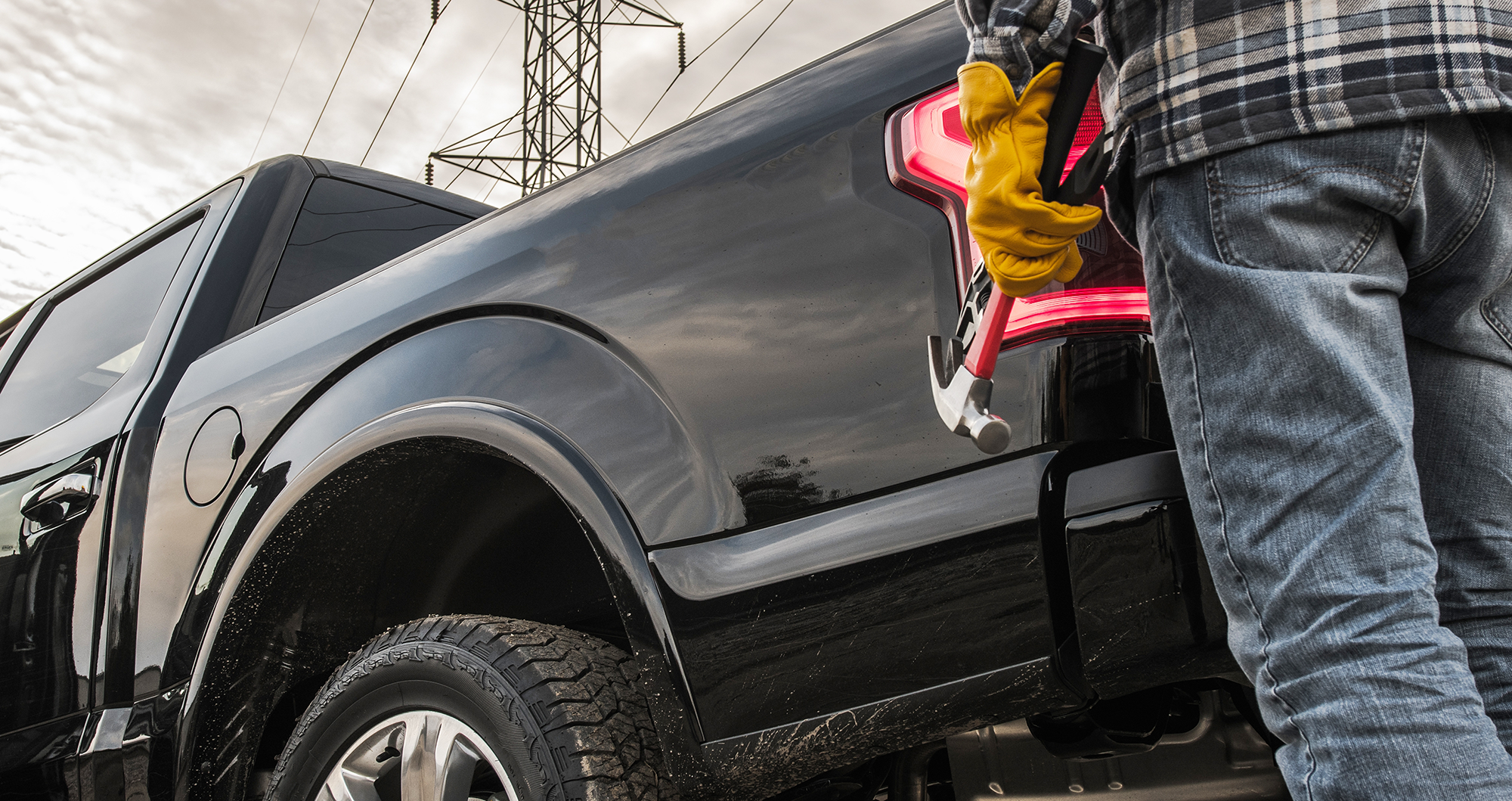
Take a look at virtually any parking lot today, and you just might be struck by one realization: trucks have become very large! A pickup from the 1980s and its modern counterpart would look like a stark contrast. Today’s trucks stand wider, taller, and longer than their predecessors.
The evolution in truck sizes spurs intense discussions amongst drivers, security experts, and auto enthusiasts.
The grand change of sizes in trucks has given rise to great debates among drivers, security experts, and auto enthusiasts. Today’s trucks have added over 5 feet in length, 20 inches in width, and 10 inches taller than their 1980s counterparts. These changes apply to every road user, whether a daily commuter or a professional driver.
Our team has witnessed this transformation firsthand through our 35+ years of servicing vehicles in Springdale.
The increasing size of trucks brings new challenges for:
- Vehicle maintenance requirements
- Parking and maneuverability
- Safety considerations
- Repair complexity
But are bigger trucks truly better? Let’s explore the factors driving this growth trend and what it means for truck owners and other road users.
The Growth Trend: How and Why Trucks Got Bigger
The numbers tell a striking story about truck growth. Modern trucks have expanded significantly:
- 5+ feet longer
- 20 inches wider
- 10 inches taller
The surprising part? Truck beds – the core utility feature – only gained about 5 inches in length. These dramatic increases in size trace back to the 1970s oil crisis, when gas prices tripled from 30 cents to $1 per gallon.
The Impact of CAFE Standards
The government’s response was CAFE (Corporate Average Fuel Economy) standards, creating separate efficiency categories for cars and trucks. This made sense when trucks were primarily work vehicles, but manufacturers discovered a profitable loophole in the 2000s.
The Footprint Rule and Size Expansion
The footprint rule helped changed everything. The larger a vehicle’s footprint (wheelbase and track width), the less stringent its fuel efficiency requirements. This sparked a calculated size expansion – manufacturers could build bigger vehicles while avoiding stricter efficiency standards.
Marketing Strategies and Increased Truck Sizes
Marketing budgets reflect this strategic shift:
- 1990: $172.5 million in truck advertising
- 2000: $1.51 billion in truck advertising
This massive increase in marketing spend, combined with relaxed efficiency standards, created perfect conditions for truck sizes to balloon. Manufacturers found they could maximize profits through larger vehicles while meeting looser regulatory requirements – a win-win situation for their bottom line.
Safety Concerns with Bigger Trucks
As trucks get bigger, there are serious safety worries for everyone on the road. Recent data shows a troubling trend: 7,342 pedestrians died in 2021 – the highest number in 40 years.
The Problem with Truck Design
One major safety problem comes from how trucks are designed. The front grills of modern trucks can be as tall as 53 inches – about the height of a person’s shoulder if they’re 6’5″. This flat, tall shape creates a dangerous area:
- Pedestrians hit by large trucks have a 45% higher chance of dying
- Drivers of large trucks are 159% more likely to cause fatal crashes compared to small car drivers
- Current road safety levels are similar to those in the 1970s – before drunk driving laws were enforced nationwide
Visibility Issues in Larger Trucks
The visibility problems in these bigger trucks add to the dangers. Many new trucks come without important safety features such as front-facing cameras and sensors that would provide drivers with the necessary means to detect an obstacle or person directly in front of the vehicle.
Add to this the limited adjustment of the driver’s seat, which can strain the ability of some drivers to see over the high hood lines and big grills that characterize modern truck designs even more. Such obstructions to the driver’s sightlines create significant blind spots, which increase the peril to pedestrians, cyclists, and other road users.
In the real world, it was demonstrated that a truck driver would be unable to see children right in front of his vehicle due to blind spots caused by the high hood line and large grill.
These safety considerations affect truck drivers and other road users. While other countries are developing plans to reduce congestion, in the meantime, U.S. trucks are becoming a traffic and road nuisance. The combination of huge vehicle size, poor visibility, and lack of safety equipment is creating a worrying pattern of risk on American roads.
Consumer Demand and Marketing Influence
The rise of large trucks can be traced back to a massive shift in automotive marketing strategies. In 1990, manufacturers invested $172.5 million in truck advertising. By 2000, this figure skyrocketed to $1.51 billion – a staggering increase that reshaped American automotive preferences.
How Marketing Campaigns Influence Consumer Behavior
Marketing campaigns tap into deep psychological desires:
- Power and Freedom: Advertisements portray trucks as symbols of independence
- Lifestyle Appeal: Images of outdoor adventures and rugged terrain
- Status Symbol: Luxury truck models positioned as premium vehicles
The marketing intensity has created what the video calls “marketing derangement” – our “caveman brains” struggling to resist this constant bombardment of truck-focused messaging. Auto manufacturers have mastered the art of creating emotional connections, linking trucks to core American values and aspirations.
The Strategy Behind Truck Advertising
A visit to any major truck manufacturer’s website reveals this strategy in action. “Truck Month” promotions run frequently, while advertisements feature country music stars and emphasize a particular lifestyle image. These campaigns have successfully convinced many consumers they need larger vehicles, even when smaller options might better suit their actual needs.
The Impact on Pricing
The pricing strategy reflects this manufactured demand:
- 2018 average truck price: $48,000
- 2025 projected average: $60,000
This significant price increase hasn’t deterred buyers, demonstrating the effectiveness of decades of marketing efforts in positioning trucks as must-have vehicles despite their growing size and cost.
Practical Considerations for Truck Owners Today
The reality of modern truck ownership stretches beyond size comparisons. A visit to Home Depot reveals candid insights from daily truck users about the practicality of today’s larger vehicles.
The Price Barrier
The price tag presents a significant hurdle for many potential buyers:
- 2018 average truck price: $48,000
- 2025 projected average: $60,000
This steep increase puts new trucks out of reach for many workers who rely on these vehicles for their livelihood. As one contractor at Home Depot noted, “The price is just out of hand… that’s way overpriced for a truck.”
Performance Beyond Size
The bigger-is-better mindset does not necessarily equate to better performance. In a comparison test between a smaller, older compact pickup and a larger, newer, full-size truck, the smaller truck had impressive ability for its size. This real-world test highlights an important truth: raw size doesn’t automatically equal better utility.
Modern Trucks Demand Specialized Maintenance Due to Their Complex Systems
Modern trucks have evolved into vehicles not fit to be termed “workhorses” in the past. Today’s trucks have modern electronics, safety gadgets, and complex engine management systems. They also come with multiple arrays of sensors that can range from emission monitoring to tire pressure, thus aiding in their performance and maintaining compliance with stringent regulations.
Therefore, servicing these trucks now has become more of a specialty than a basic mechanical fix. Truck owners now depend on highly trained technicians who can not just fix the mechanics but also the elaborate electronics and software contained within modern trucks. That, in turn, makes regular professional maintenance ever more necessary for the smooth and safe running of such awesome vehicles.
Such additions in technology create new stands for maintenance beyond just mechanical fixes for old trucks. Most of the truck repairs by hammering-even for the much-loved models like the good old Toyota pickup with its 22RE engine-are gone forever.
With this growing complexity of the trucks, it is time to avail of professional repair services to maintain their performance and longevity. These setups have their own customized maintenance that will handle both conventional and modern electronic components.
Your truck, no matter how big or small, needs expert care. Here at HCS Auto Repair, we have built a solid reputation in Springdale since 1988 for providing specialized care for all types of trucks, from oldies to the latest ones.
Expertise You Can Trust
Our ASE-certified technicians bring deep expertise to every repair job:
- Quick Service Needs: Oil changes, brake inspections, tire rotations
- Complex Repairs: Transmission work, engine diagnostics, electrical systems
- Preventive Care: Comprehensive maintenance programs tailored to your truck
Understanding Modern Trucks
Maintaining new trucks with advanced systems and specialized parts isn’t an easy job, to say the least, and it poses some common challenges. Regular maintenance would help prevent costly repairs and keep your truck on the road longer.
Protect Your Investment
Your truck is an investment – our trained professionals will make all the effort to protect that investment through detailed diagnostic processes, the use of high-quality replacement parts, and a full explanation of repairs. Besides, we make personal service recommendations to meet specific needs so that your truck will always receive the best care.
Keeping Your Truck at Its Best
At HCS Auto Repair, you’ll find the expertise needed to keep your truck running at peak performance. We combine traditional mechanical knowledge with modern diagnostic tools to address issues before they become major problems.
Serving All Types of Trucks
Located in Springdale, AR, our facility is equipped to handle everything from vintage pickups to the latest heavy-duty trucks. We believe in building lasting relationships with our customers through honest service and reliable repairs.
Looking Forward: The Future of Truck Sizes and Consumer Choices
More and more drivers are asking for smaller, tough trucks like the ones we saw on the roads in the 1980s and ’90s. These vehicles were dependable and practical – qualities many current truck owners feel are missing in today’s market.
The demand for change is clear:
- Compact yet capable: Drivers want trucks that maintain strong towing capacity and durability without excessive bulk
- Improved visibility: Smaller profiles enhance driver awareness and reduce pedestrian risks
- Better fuel efficiency: A shift from the current trend where larger footprints mean looser efficiency standards
Manufacturers have an opportunity to innovate beyond size. Modern engineering can deliver trucks that balance power with responsibility – incorporating advanced safety features, fuel-efficient engines, and practical dimensions.
The market shows signs of transformation. As consumers become more informed about the impact of vehicle size on safety and environmental factors, their purchasing decisions send clear signals to manufacturers: better doesn’t always mean bigger.
Choose HCS Auto Repair
The development of the truck sizes varies along with many factors like loopholes and regulatory decisions, marketing schemes, and changing consumer preferences. Even if trucks have become bigger and bigger, this has not necessarily created greater functionality or safety.
Regardless of its size, your truck deserves expert care to maintain optimal performance and safety. At HCS Auto Repair in Springdale, AR, our ASE-certified technicians bring decades of experience to every service appointment. We understand both classic and modern trucks, providing specialized care from basic maintenance to complex repairs.
Ready to give your truck the professional attention it needs? Trust the team that’s been serving Springdale since 1988. Schedule your appointment today:
- Call: (479) 751-8232
- Location: HCS Auto Repair, Springdale, AR
- Services: Oil changes, transmission repairs, comprehensive maintenance
Your safety and satisfaction drive everything we do. Let’s keep your truck running at its best, no matter its size.