
This is a topic that’s crucial for every car owner out there – suspension problems. Now, I know what you’re thinking: “Suspension? Isn’t that just for race cars and off-road vehicles? ” Well, not quite! Your car’s suspension system plays a vital role in every single drive you take, whether you’re cruising down the highway or just popping out to grab some groceries.
At HCS Auto Repair, we’ve seen our fair share of suspension issues, and we want to make sure you’re well-informed about the potential problems they can cause. So, buckle up (safety first!), and let’s explore how suspension problems can affect your driving experience.
What Is the Suspension System?
Before we dive into the nitty-gritty of suspension problems, let’s take a quick look at what the suspension system actually does. Think of it as your car’s shock absorber – it’s the unsung hero that keeps your ride smooth and comfortable.
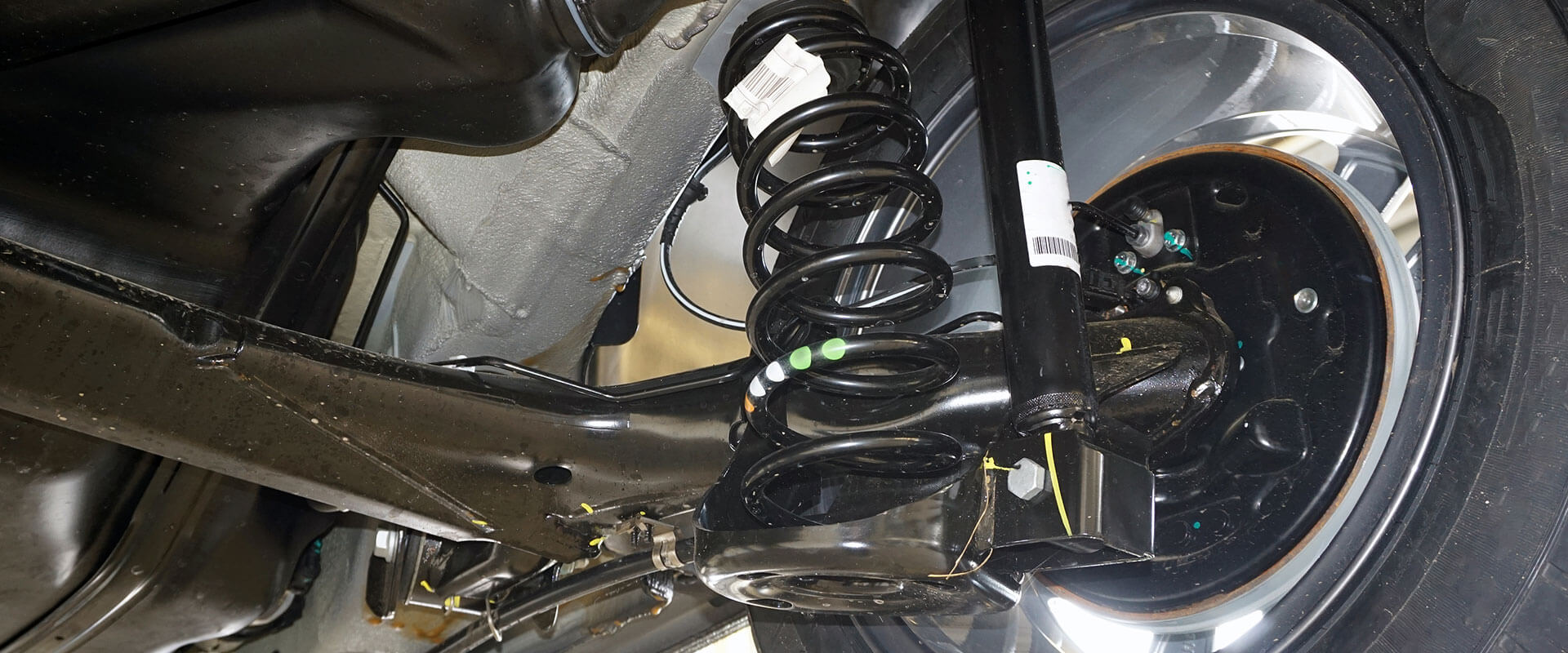
The suspension system is made up of several components, including:
- Springs
- Shock absorbers
- Struts
- Control arms
- Ball joints
- Tie rods
All these parts work together to accomplish three main goals:
- Absorb road shock and provide a smooth ride
- Keep your tires in contact with the road
- Support the weight of your vehicle
Now that we’ve got the basics down, let’s explore what happens when things go wrong with your suspension.
1. A Bumpy Ride: Say Goodbye to Comfort
One of the most noticeable signs of suspension problems is a ride that’s about as smooth as a rollercoaster – and not in a fun way! If you’re feeling every little bump and dip in the road, your suspension might be crying out for help.
When your suspension is working correctly, it absorbs the impact of road irregularities, providing you with a smooth and comfortable ride. But when components like shock absorbers or struts wear out, they can’t do their job effectively. The result? You’ll feel like you’re driving over a washboard, even on relatively smooth roads.
This isn’t just uncomfortable – it can be downright dangerous. A bumpy ride can make it harder to control your vehicle, especially at higher speeds or in emergency situations. Plus, all that extra vibration can cause increased wear and tear on other parts of your car, potentially leading to more costly repairs down the line.
2. Pulling to One Side: The Unintended Road Trip
Have you ever felt like your car has a mind of its own, constantly veering to one side even when you’re trying to drive straight? This could be another sign of suspension trouble.
When your suspension is properly aligned and all components are in good condition, your car should track straight and true. But if there’s an issue with your suspension – like a broken spring or a worn-out control arm bushing – your car might start to pull to one side.
This pulling can be subtle at first, maybe just requiring a slight correction on your part. But over time, it can become more pronounced and potentially dangerous. You might find yourself constantly fighting the steering wheel just to keep your car going straight. Not only is this exhausting, but it can also lead to uneven tire wear and decreased fuel efficiency.
3. Nose Diving: Not Just for Airplanes
When you hit the brakes, your car should come to a smooth, controlled stop. But if you notice your car’s front end dipping dramatically every time you brake, you might have a suspension problem on your hands.
This “nose diving” effect occurs when your suspension can’t properly manage the weight transfer that happens during braking. Normally, your shocks and struts help to distribute this force evenly. But if they’re worn out, they can’t do their job effectively.
Nose diving isn’t just unsettling for you and your passengers – it can significantly increase your stopping distance and make it harder to maintain control of your vehicle in emergency braking situations. Plus, it puts extra stress on your front brakes, potentially leading to premature wear.
4. Cornering Woes: The Lean Machine
Remember how we said the suspension helps keep your tires in contact with the road? Well, this becomes particularly important when you’re taking corners. A properly functioning suspension system helps your car stay level and stable during turns.
But if your suspension is having issues, you might notice your car leaning excessively to one side when you’re cornering. This can make your car feel unstable and reduce your traction, potentially leading to a loss of control.
This excessive body roll isn’t just disconcerting – it can be downright dangerous, especially if you need to make a sudden evasive maneuver. It’s like trying to change direction in a boat – not exactly the nimble response you want from your vehicle!
5. Uneven Tire Wear: The Silent Wallet Drainer
Here’s a sneaky one that might not be immediately obvious when you’re driving, but can have a big impact on your wallet over time: uneven tire wear.
Your suspension system plays a crucial role in ensuring that your tires maintain even contact with the road. When it’s working correctly, the weight of your vehicle is distributed evenly across all four tires. But if there’s a problem with your suspension, some of your tires might be bearing more weight than others.
The result? Some parts of your tires will wear out faster than others. You might notice a scalloped or cupped wear pattern, or tires that are more worn on one side than the other. This uneven wear can lead to reduced traction, increased noise, and the need to replace your tires much sooner than you should have to.
6. The Bounce House Effect: When Your Car Keeps on Bobbing
Have you ever noticed your car continuing to bounce after you’ve driven over a bump? If so, your shock absorbers might be waving the white flag of surrender.
Shock absorbers are designed to… well, absorb shock. They dampen the movement of your springs, preventing your car from bouncing excessively. When they’re working correctly, your car should settle quickly after hitting a bump.
But if your shocks are worn out, your car might bounce several times after encountering a road irregularity. This not only makes for an uncomfortable ride, but it also reduces your tire’s contact with the road, potentially affecting your ability to steer, brake, and accelerate effectively.
7. Steering Struggles: When Easy Becomes Hard
Power steering has spoiled us, hasn’t it? We’re used to being able to turn our steering wheels with just a light touch. But if you’re noticing that steering has suddenly become a workout, your suspension might be to blame.
While many people associate steering problems with the power steering system itself, the truth is that your suspension plays a big role in how easy (or difficult) it is to steer your car. Components like ball joints and tie rods are crucial for smooth steering.
If these parts start to wear out, you might notice that your steering feels stiff or that there’s a lot of play in the wheel. You might hear clunking or knocking noises when you turn, especially at low speeds. Not only does this make driving less enjoyable, but it can also be dangerous if you need to make quick steering corrections.
8. The Sag Story: When Your Car Looks Tired
Here’s a visual cue that something might be amiss with your suspension: if your car looks like it’s slouching to one side, or if one corner seems lower than the others.
This sagging is often due to problems with your springs. Springs are responsible for supporting the weight of your vehicle, and over time, they can weaken or even break. When this happens, that corner of your car will sit lower than the others.
Not only does this look a bit sad, but it can also affect your car’s handling and stability. It can lead to uneven tire wear, reduced ground clearance (hello, speed bumps!), and can even cause other suspension components to wear out faster as they try to compensate for the uneven weight distribution.
9. The Oil Slick: When Your Shocks Start Leaking
If you’ve noticed dark, oily stains on your driveway or garage floor, right where your wheels sit, you might have leaking shock absorbers or struts.
Shock absorbers and struts are filled with oil that helps them dampen the movement of your springs. Over time, the seals on these components can wear out, allowing the oil to leak out. As the oil level decreases, the shocks become less effective at doing their job.
This can lead to many of the issues we’ve already discussed – a bouncy ride, nose diving when braking, and poor handling. Plus, if left unchecked, the leaking oil can contaminate other parts of your suspension system, potentially leading to more extensive (and expensive) repairs.
10. The Thrill Ride: When Every Drive Feels Like an Adventure (And Not in a Good Way)
Last but not least, let’s talk about the overall driving experience when you’re dealing with suspension problems. Simply put, it can turn every drive into an unwanted adventure.
When your suspension is in good condition, driving should feel smooth, controlled, and predictable. You should be able to take corners with confidence, brake smoothly, and cruise over minor road imperfections without much fuss.
But when your suspension is having issues, every drive can feel like a challenge. You might feel like you’re constantly making corrections just to keep your car going straight. Bumps in the road might startle you as they jolt through the cabin. Taking corners might feel nerve-wracking as your car leans excessively. And don’t even get us started on what it feels like to drive on the highway!
This constant state of unpredictability isn’t just stressful – it’s dangerous. It can lead to driver fatigue as you’re constantly having to concentrate harder just to keep your car under control. In emergency situations, when you need your car to respond quickly and predictably, these suspension issues could mean the difference between avoiding an accident and being involved in one.
Don’t Suspend Your Suspension Maintenance
We’ve covered a lot of ground here, talking about the various ways suspension problems can affect your driving experience. From comfort issues like a bumpy ride to safety concerns like poor handling and increased stopping distances, it’s clear that your suspension system plays a crucial role in how your car performs.
But here’s the good news: many of these issues can be prevented or caught early with regular maintenance and inspections. At HCS Auto Repair, we recommend having your suspension checked at least once a year, or any time you notice any of the symptoms we’ve discussed.
Remember, your suspension system doesn’t usually fail all at once. It tends to wear out gradually over time. This means that if you’re attentive, you can often catch problems early, before they become more serious (and more expensive to fix).
So, the next time you’re driving and something doesn’t feel quite right, don’t just turn up the radio and hope it goes away. Pay attention to how your car feels, sounds, and handles. And if you’re unsure, don’t hesitate to bring it in for a check-up. Your safety, comfort, and wallet will thank you!
If you need help, give us a call today at 479-662-1221 and schedule our professional services.
FAQs
Q: How often should I have my car’s suspension checked?
A: We recommend having your suspension inspected at least once a year, or every 12,000 to 15,000 miles. However, if you frequently drive on rough roads or notice any unusual symptoms, it’s best to have it checked more often.
Q: What are some signs that my car might have suspension problems?
A: Common signs include a bumpy or uncomfortable ride, the car pulling to one side, nose diving when braking, excessive body roll when cornering, uneven tire wear, and difficulty steering.
Q: Can I check my suspension at home?
A: While a professional inspection is always best, you can do a basic check at home. Try the “bounce test” – push down hard on each corner of your car and let go. If the car bounces more than once or twice, your shocks might be worn.
Q: How long do suspension components typically last?
A: This can vary widely depending on driving conditions and the quality of the components. Generally, shocks and struts may need replacement every 50,000 to 100,000 miles, but other components like springs can last the lifetime of the vehicle if not damaged.
Q: Is it safe to drive with suspension problems?
A: It’s not recommended. Suspension issues can affect your car’s handling, braking, and stability, potentially making it unsafe to drive, especially in emergency situations.
Q: How much does it typically cost to repair suspension problems?
A: Costs can vary widely depending on the specific issue and your vehicle make and model. Simple repairs might cost a few hundred dollars, while more complex issues could run into the thousands. It’s best to get a professional diagnosis and quote.
Q: Can bad roads cause suspension damage?
A: Yes, frequently driving on rough, potholed, or unpaved roads can accelerate wear and tear on your suspension components.
Q: Will fixing my suspension improve my fuel efficiency?
A: It might! A properly functioning suspension keeps your wheels aligned and your tires in proper contact with the road, which can improve fuel efficiency.
Q: Are aftermarket suspension parts as good as OEM (Original Equipment Manufacturer) parts?
A: Quality can vary. While some aftermarket parts are excellent, others may not meet the same standards as OEM parts. It’s best to consult with a trusted mechanic about the best options for your vehicle.
Q: Can suspension problems cause noise?
A: Absolutely. Clunking, knocking, or creaking noises, especially when going over bumps or around corners, can all be signs of suspension issues.