
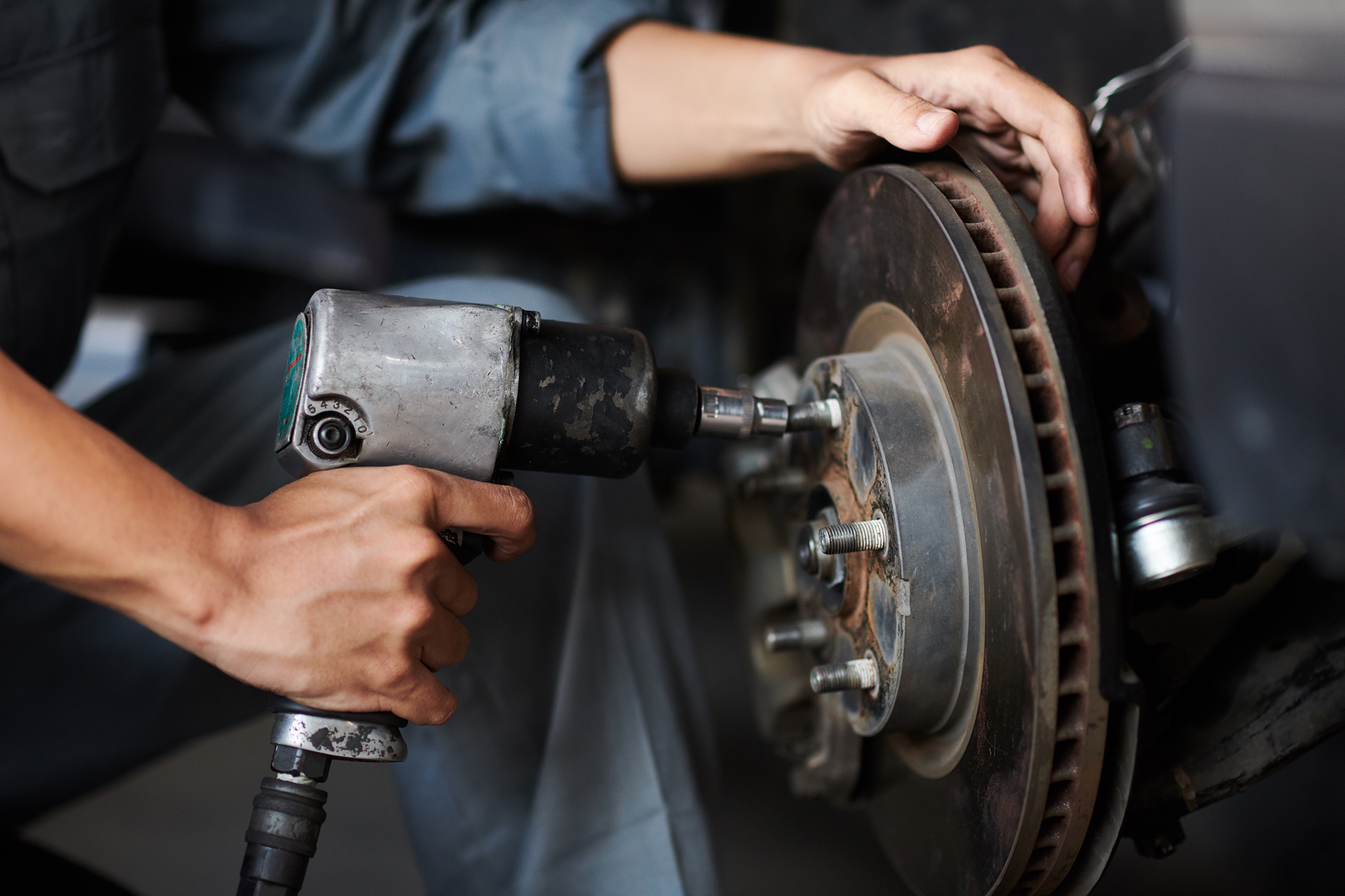
We all know that feeling of cruising down the open road, wind in our hair, favorite tunes on the radio. But have you ever had that moment of panic when you press the brake pedal and something just doesn’t feel right? Well, buckle up, because we’re about to dive into the world of brake systems and explore the eight telltale signs that it might be time for an upgrade.
Here at HCS Auto Repair, we’ve seen our fair share of brake issues. We know how crucial a well-functioning brake system is for your safety on the road. So, let’s get down to business and talk about those signs you shouldn’t ignore when it comes to your brakes.
1. The Dreaded Brake Warning Light
Picture this: You’re driving along, minding your own business, when suddenly that little brake warning light on your dashboard starts glowing like a miniature sun. It’s like your car is trying to tell you something, and trust us, you’ll want to listen.
The brake warning light is your vehicle’s way of saying, “Hey, we need to talk about our relationship… with the brake system.” This light can indicate a variety of issues, from low brake fluid to problems with the anti-lock braking system (ABS). Either way, it’s not something you want to ignore.
When that brake warning light comes on, it’s time to pull over and assess the situation. If you’re near Springdale or Rogers, AR, why not swing by HCS Auto Repair? We’d be happy to take a look and make sure everything’s ship-shape with your brakes.
2. The Spongy Brake Pedal Sensation
Remember when you were a kid, and you’d jump on a trampoline? That springy, bouncy feeling was great for backyard fun, but it’s not so great when it comes to your brake pedal. If you’re pressing down on the pedal and it feels soft, spongy, or like it’s sinking to the floor, that’s a major red flag.
A spongy brake pedal could indicate a few different issues:
- Air in the brake lines
- A brake fluid leak
- Worn brake pads
- Problems with the master cylinder
Whatever the cause, a spongy brake pedal is not something to mess around with. It could seriously compromise your ability to stop quickly in an emergency situation. If you’re experiencing this issue, it’s time to get your brake system checked out pronto.
3. The Not-So-Melodious Grinding Noises
We all love a good tune, but when it comes to your car, some sounds are better left unheard. If you’re hearing a grinding noise when you apply the brakes, it’s like your car is trying to start its own metal band – and trust us, it’s not going to top the charts.
Grinding noises usually indicate that your brake pads have worn down completely. At this point, you’re no longer stopping on the pad material, but rather on the metal of the brake caliper grinding against the brake rotor. This not only reduces your stopping power but can also cause expensive damage to your rotors.
If you hear this sound, it’s time to pull over and call for a tow to your nearest brake specialist. Continuing to drive could lead to brake failure, and nobody wants that kind of excitement in their day.
4. Vibrations When Braking: Not the Good Kind of Massage
Imagine you’re cruising down the highway, and you need to slow down. You press the brake pedal, and suddenly it feels like you’re sitting on a giant massage chair. While that might sound relaxing in theory, it’s actually a sign that something’s not right with your brake system.
Vibrations when braking can be caused by a few different issues:
- Warped brake rotors
- Unevenly worn brake pads
- Sticking brake calipers
These vibrations aren’t just annoying – they can also affect your ability to brake effectively. Plus, they’re often a sign of underlying issues that, if left unchecked, could lead to more serious (and expensive) problems down the road.
If you’re feeling these vibrations, it’s time to get your brake system inspected. At HCS Auto Repair, we can diagnose the issue and get you back on the road with smooth, vibration-free stops.
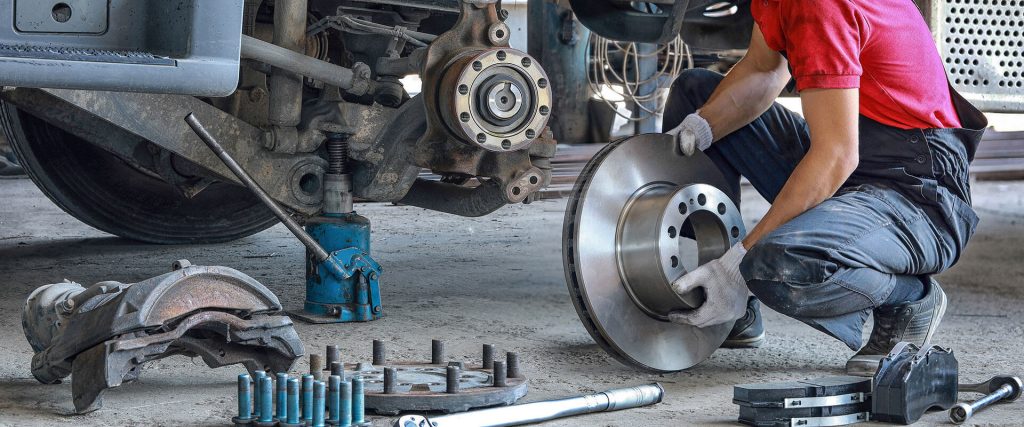
5. The High-Pitched Squealing Noises
Remember that kid in school who always seemed to have their fingernails on a chalkboard? Well, if your car is making a high-pitched squealing noise when you brake, it’s basically doing the automotive equivalent of that cringe-worthy sound.
Squealing brakes are often caused by a small metal shim, called an indicator, that’s built into your brake pad. When the pad material has worn down to a certain point, this indicator starts rubbing against the rotor, causing that lovely (read: awful) squealing sound. It’s actually a clever little system designed to let you know it’s time for new brake pads before more serious damage occurs.
However, squealing can also be caused by:
- Cheap brake pads
- Debris caught in the caliper
- Lack of lubrication on the brake hardware
Whatever the cause, if your brakes are serenading the neighborhood every time you slow down, it’s time to get them checked out.
6. Pulling to One Side When Braking
Imagine you’re driving down a straight road, you apply the brakes, and suddenly your car decides it wants to veer off to one side like it’s trying to make a quick getaway. This pulling sensation when braking is not just annoying – it’s downright dangerous.
There are a few potential culprits for this brake behavior:
- A stuck brake caliper
- Uneven brake pad wear
- Contaminated brake fluid
- Worn suspension components
When your car pulls to one side during braking, it’s not just a minor inconvenience. It can affect your ability to control your vehicle, especially in emergency situations. Plus, it often indicates an issue that’s causing uneven wear on your brake system, which can lead to more problems (and more expense) if not addressed promptly.
If your car is showing these drifting tendencies when you brake, it’s time to get it checked out by a professional. At HCS Auto Repair, we can diagnose the issue and get your car stopping straight and true again.
7. Brake Pedal Pulsation
Picture this: You’re coming up to a red light, you press the brake pedal, and suddenly it feels like you’re trying to tap out a morse code message with your foot. This pulsating sensation in the brake pedal isn’t your car’s way of communicating in secret code – it’s actually a sign that something’s not quite right with your brake system.
Brake pedal pulsation is often caused by warped brake rotors. When rotors become warped, they no longer provide a smooth, flat surface for the brake pads to press against. This can happen due to:
- Excessive heat from heavy braking
- Uneven tightening of lug nuts
- Normal wear and tear over time
While a slight pulsation might not seem like a big deal, it can worsen over time and affect your braking performance. Plus, it’s often a sign that your rotors need to be resurfaced or replaced, which is best done sooner rather than later to prevent further damage to your brake system.
If you’re feeling that tell-tale pulsation in your brake pedal, don’t ignore it. Swing by HCS Auto Repair and we’ll get to the bottom of the issue.
8. Increased Stopping Distance
Last but certainly not least, let’s talk about increased stopping distance. This one might be a bit trickier to notice at first, but it’s incredibly important.
Have you ever had that heart-stopping moment where you’re approaching a stop sign or red light, and it seems to take forever for your car to come to a complete stop? If you find yourself having to brake earlier than usual or if your car isn’t stopping as quickly as it used to, this could be a sign of brake system issues.
Increased stopping distance can be caused by a variety of factors:
- Worn brake pads
- Brake fluid issues
- Problems with the brake lines
- Issues with the master cylinder
This increased stopping distance isn’t just inconvenient – it’s downright dangerous. In emergency situations, every foot of stopping distance counts. If your brakes aren’t performing at their best, it could mean the difference between a close call and a collision.
If you’ve noticed that your car isn’t stopping as quickly as it used to, it’s time to get your brake system checked out. At HCS Auto Repair, we can perform a thorough inspection and make sure your brakes are up to the task of keeping you safe on the road.
Final Words
There you have it, folks – eight signs that you might need a new brake system on your car. From that pesky brake warning light to the heart-stopping feeling of increased stopping distance, these are all signs that shouldn’t be ignored.
Remember, your brake system is one of the most critical safety features of your vehicle. It’s not just about avoiding those annoying squeaks and grinding noises (although your neighbors will thank you for that). It’s about ensuring that you can stop safely and reliably, no matter what the road throws at you.
Here at HCS Auto Repair in Springdale and Rogers, AR, we’re passionate about keeping you safe on the road. If you’ve noticed any of these signs, or if you just want to make sure your brake system is in tip-top shape, don’t hesitate to swing by. We’d be more than happy to take a look and make sure you’re good to go.
Drive safe out there, and remember – when it comes to your brakes, it’s always better to be safe than sorry!
If you need help, give us a call today at 479-662-1221 and schedule our professional services.
FAQs
Q: How often should I have my brakes inspected?
A: Given the heavy traffic and frequent stop-and-go driving, it’s recommended to have your brakes inspected at least once a year or every 12,000 miles, whichever comes first. However, if you notice any unusual sounds or changes in braking performance, don’t wait – get them checked right away.
Q: How long do brake pads typically last?
A: Brake pad life can vary greatly depending on driving habits and conditions. In areas with a lot of stop-and-go driving, brake pads might last anywhere from 30,000 to 50,000 miles. However, some drivers might need to replace them as early as 25,000 miles, while others might get up to 70,000 miles out of a set.
Q: Is it safe to drive with a brake warning light on?
A: No, it’s not safe to drive with a brake warning light on. This light indicates a potential problem with your brake system, which could compromise your ability to stop safely. If your brake warning light comes on, pull over safely and have your car towed to a reputable brake shop.
Q: How much does a brake job typically cost?
A: The cost of a brake job can vary widely depending on the make and model of your vehicle and the extent of the work needed. On average, you might expect to pay anywhere from $250 to $700 per axle for brake pad replacement. If you need new rotors as well, the cost could be higher.
Q: Can hot weather affect my car’s brake system?
A: Yes, hot weather can potentially affect your brake system. High temperatures can cause brake fluid to break down more quickly, potentially leading to brake fade. It’s important to have your brake fluid checked and replaced according to your vehicle manufacturer’s recommendations.
Q: Are there any regulations about brake system maintenance?
A: While there aren’t specific regulations about brake maintenance, many states require that all vehicles pass a brake inspection as part of the vehicle registration process. This helps ensure that all vehicles on the road have functioning brake systems.
Q: How can I extend the life of my brakes?
A: To extend your brake life, try to anticipate stops and slow down gradually rather than braking hard at the last moment. Leave plenty of space between you and the car in front, and try to avoid riding your brakes in stop-and-go traffic.
Q: What’s the difference between drum brakes and disc brakes, and which is better?
A: Drum brakes use brake shoes that press against the inside of a drum, while disc brakes use pads that clamp onto a rotor. Disc brakes are generally considered better for frequent stopping, as they dissipate heat more effectively and provide more consistent performance.
Q: Is it true that I need to ‘break in’ new brakes after having them replaced?
A: Yes, it’s a good idea to break in new brakes. This usually involves driving at moderate speeds and braking gently for the first 200-300 miles. This helps the brake pads and rotors wear evenly and extend their lifespan. Your mechanic should provide specific instructions based on your vehicle and the type of brakes installed.
Q: How does emissions testing affect my brake system?
A: While emissions testing, primarily focuses on your vehicle’s exhaust system, there is a visual inspection component that includes checking the brake system. If your brake warning light is on or there are visible issues with your brake system, it could potentially cause your vehicle to fail the inspection.