
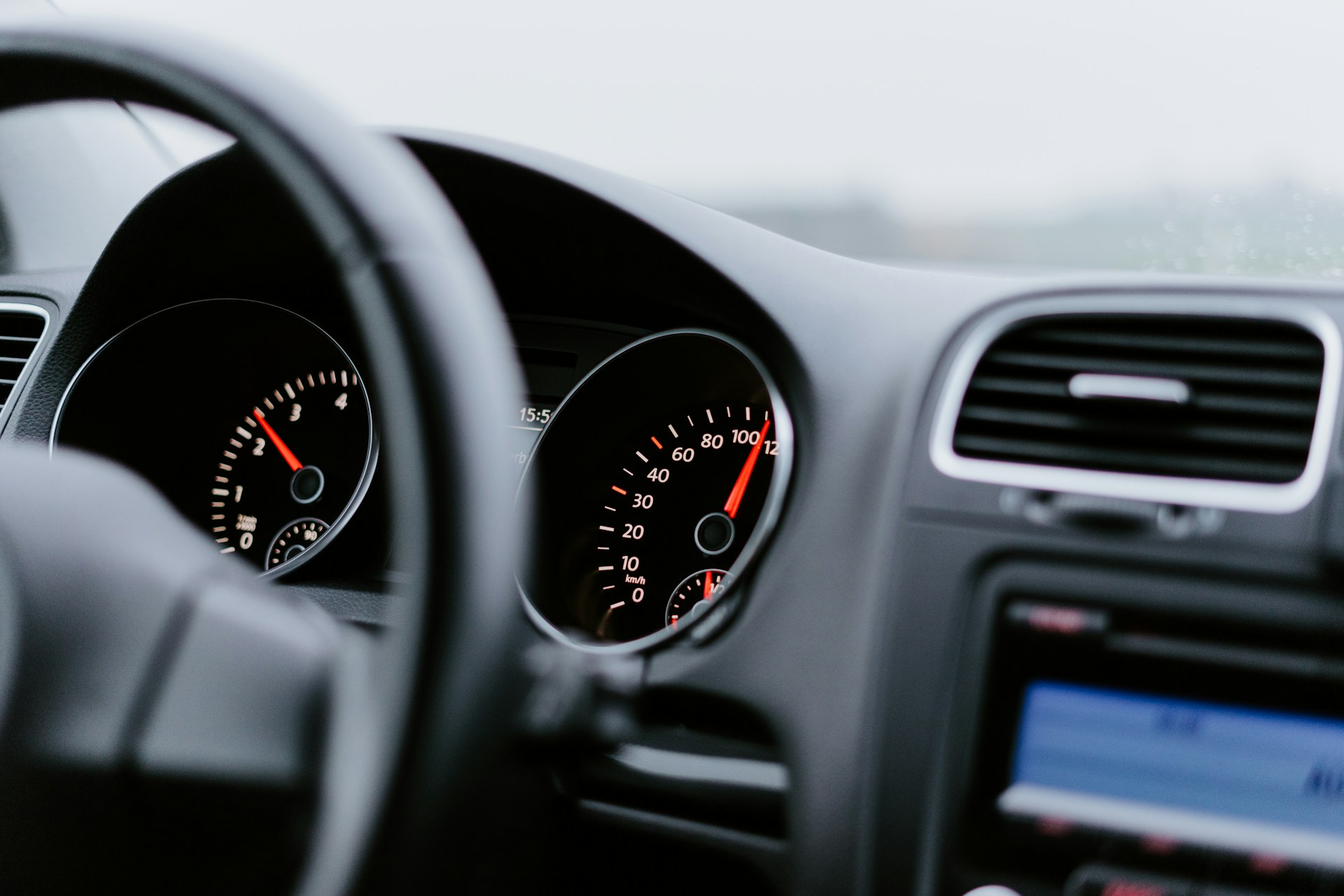
Is your car heater not working right? If you have observed that your heater functions only when the vehicle is moving but quits at idle, believe it or not, you are not alone!
This annoying failure can turn your morning commute into a pretty miserable ride in those cold months of winter. Perhaps you’ve stopped at a red light and it just stops blowing hot air. Then, just as you get moving again, it starts blowing hot air again. Not only might this stop-and-go heating pattern drive you nuts, but it also indicates that something is wrong with your car or truck heating system.
At HCS Auto Repair, we understand how critical a properly working heater is to both your safety and comfort. A bad heating situation can mean foggy windows that cut visibility, uncomfortable driving conditions, and possible engine cooling system problems. We are here to help you understand why your car’s heater stops working when you’re not moving.
Continue reading for a walkthrough of the common causes of this problem, and share practical DIY solutions to get your heater working properly again.
Understanding the Car Heating System
Your car’s heating system consists of a nice, cozy mix of parts that make your engine’s heat feel warm in your cabin. Its core component is, of course, the heater core—a little, radiator-like entity behind your dashboard.
Here is how the system works in detail: The coolant for your car’s engine collects heat while moving through the engine. It then transfers the heat-laden fluid to the heater core. When you turn your heat on, it blows air over the heater core. This warmed coolant, then, warms that air as it blows in your cabin.
If your car is idling, you’ll get the below symptoms of a failing heater: cold air while sitting at traffic lights or in the park with hot air returns immediately upon you begin moving again. The temperature goes between hot and cold with engine RPMs, and the engine temp gauge shows normal operating temperature while the cabin is cold. The key to efficient heating is a steady flow of coolant through your heater core.
If you’re noticing a fluctuation in temperature based on whether you’re wheels are turning or at a standstill, it generally points to signs of coolant flow issues or air pockets in the system. They can be brought about by quite a few different components, such as a water pump, thermostat, or low coolant level.
Common Causes of Heater Failure When Stationary
From our professional experience here at HCS Auto Repair, there are some common culprits behind this frustrating problem.
Your car’s ability to heat properly is directly related to proper coolant levels. Most vehicles have a clear reservoir with visible markers showing the correct coolant level. Some cars use a float indicator where the float being up means a full coolant system and the float being down means it is time to top off the coolant.
Air pockets are sneaky little troublemakers that can form in your cooling system. The bubbles interrupt the normal flow of coolant to your heater core, producing a pretty characteristic pattern: heat at idle (no heat when stopped), gets better on acceleration, and goes away again when stopped.
A cooling system leak could be in a number of spots: the front of the car around the bumper area (indicative of the radiator), the front of the engine (looks like water pump problems), the back of the engine (potential head gasket problems), and heater pipes by a firewall (connector issues).
Thermostat and water pump failures usually happen together, and when either one goes bad, it spells problems. You will see that when the engine gets up to operating temperature, the interior remains cold, heat comes and goes depending on engine RPMs, and coolant leaks from the water pump weep hole, typically when below freezing.
Air in the Cooling System
Air pockets in your cooling system are hard to diagnose. These tiny bubbles of air produce blockages that restrict the free flow of coolant into your heater core, especially at idle. Air pockets block coolant from reaching your heater core, heat operates when moving but not while sitting still, and engine temperature stays in normal range although heat to your cabin is reduced.
If you find that your vehicle’s heat works perfectly well while in motion but dies at traffic lights or when idling, it is because higher engine speeds overcome the blockage caused by air pockets in the system by forcing coolant through. At idle speed, coolant flow isn’t enough to push through these air pockets, so you don’t get cabin heat.
Think of air pockets like a clog in your home plumbing – water can still get through, just not very effectively. In your car’s cooling system, these air pockets tend to collect at the highest points, creating blockages that prevent good coolant circulation through your heater core.
Leaks in the Cooling System
These leaks usually show up in specific areas of your car, as mentioned below.
Radiator Area
Where drips or wet spots should be looked for around the front bumper
Water Pump
Where drips from the coolant appear at the front of the engine
Heater Pipes
Where connections leading into the firewall should be checked
Intake Manifold
Where leaks at the back of the engine should be inspected.
You will need to pressure test your cooling system to find sneaky leaks you can’t see immediately. Hook up a pressure tester to your coolant system, send about 15 PSI through it, and check for coolant leaking from any components. Temperature can impact leak detection.
Most leaks are more pronounced when the temperature drops and the mercury falls below about 30°F. If you can’t locate a leak when it’s hot, go out in cold weather and test again. Test your vehicle in a completely cooled state — never test caps or attempt a hot cooling system.
Thermostat and Water Pump Malfunction
Your car’s thermostat is like a valve with a very important job: keeping your engine at the right temperature by regulating coolant flow. When it fails, the heating system can be quite temperamental, especially at idle moments. Signs of a failing thermostat include engine temperature fluctuating erratically, heat working intermittently, and the engine taking longer than usual to warm up.
The water pump is also an integral part, as it circulates coolant through your engine and heater core. Look for coolant leaks around the front of the engine, especially in freezing weather. These usually point to a failing water pump that may only be symptomatic at temperatures around 30°F.
DIY Solutions to Fix Heater Problems When Stationary
Some of the common heater problems with your car can easily be solved with some DIY solutions. The most basic yet very important kind of maintenance is often the most effective: checking and topping off your coolant levels.
Checking and Topping Off Coolant Levels
Safety First: Always check your coolant when the engine is cold to avoid severe burns from the scalding spray of hot coolant. Here’s your step-by-step guide for checking and topping off coolant:
Locate the coolant reservoir by looking for a clear or white plastic tank. It should have “min” and “max” level markings, though some vehicles have float indicators instead of clear tanks. When checking current levels, if you see a float indicator, the “up” position means full. For clear tanks, the coolant should be between min/max lines. Look for any discoloration or debris in the coolant.
When adding coolant, remove the reservoir cap slowly, use the correct type of coolant for your vehicle, pour slowly to prevent air bubbles, and fill to the “max” line or until the float indicator shows full. To inspect for leaks, look under your parked vehicle for puddles, check for wet spots around hoses and connections, and use a pressure tester if available (keep pressure around 15 PSI). Keep a 50/50 mix of coolant and distilled water ready in your garage for quick top-offs. This ratio provides optimal cooling and freeze protection for most climates.
Bleeding Air from the Cooling System
To eliminate those pesky air pockets, you’ll need to follow a systematic process. First, park your vehicle on level ground and engage the parking brake for safety. Then, prep your vehicle by ensuring the engine is cold and slowly removing the radiator cap, setting your heater controls to full heat.
For the bleeding process itself, start your engine and let it idle in neutral gear while observing the radiator opening for bubbles. Continue this until bubbles stop forming. Finally, slowly rev up your engine several times, add antifreeze if needed, and securely replace the radiator cap.
Safety Note: Never remove the radiator cap when the engine is hot; the pressurized coolant can cause severe burns. If you’re not confident performing this procedure, our team at HCS Auto Repair can help ensure your cooling system is properly purged and working correctly.
Locating Cooling System Leaks
Finding coolant leaks requires a methodical approach. During visual inspection, check for pools under your vehicle, particularly near the front bumper area. Look for wetness around the radiator, the rear of the engine, and heater pipes coming from the firewall. Watch for green, orange, or pink liquid signs. Remember that some leaks are temperature sensitive and may only appear in cold weather, around 30°F.
For steps like these, scheduling help from professional mechanics like ours here at HCS Auto Repair can make a huge difference. Our team uses a pressure tester to ensure the engine has cooled to ambient temperature. Next, they attach the pressure test equipment to the affected cooling system and apply the right amount of pressure. They look for obvious leaks or coolant sprays, checking typical leak points like the weep hole, water pump, radiator connections, thermostat housing, head gasket area, and intake manifold.
Our process includes checking your vehicle at both cold and operating temperatures, as some leaks only occur under specific conditions.
When to Seek Professional Help
While DIY repairs save money, some heating system problems do require professional attention. Complex system problems may arise after you have checked coolant levels, purged air pockets, and replaced basic components but still have no heat when stationary.
Additionally, specialized tools like pressure testing equipment and diagnostic tools may be necessary to locate hidden leaks or system malfunctions. Safety concerns should also be considered, as it can be hazardous to work with hot coolant and high-pressure systems without proper experience. Time constraints may also necessitate professional help, as certain repairs need immediate attention to prevent further damage to your vehicle.
Our ASE-certified technicians at HCS Auto Repair in Springdale have experience in fast, safe diagnostics and repair of car heating issues. We use state-of-the-art diagnostic equipment to exactly define the root of your problem, ensuring you don’t freeze out when it’s bitterly cold in Arkansas!
Choose HCS Auto Repair
A nonworking heater when the car is stationary can be frustrating, but it’s often something you can fix yourself with knowledge and proper tools. From coolant issues and air pockets to a possible faulty water pump, knowing these common problems lets you make better-informed decisions regarding repairs.
We’re here to help if you need professional help with your car’s heating system or any other auto repair need. Our ASE-certified technicians at HCS Auto Repair bring decades of experience to every job. We have been serving the Springdale community since 1988, treating each customer like family.
Time to get your car’s heating system working right again? Stop by HCS Auto Repair in Springdale, AR, or give us a call at (479) 751-8232. We do everything from simple repairs to complex fixes. Your safety and comfort while driving matter to us. Whether you are going to take care of repairs yourself or need to involve an expert, we commit ourselves to getting you back behind the wheel with a perfectly working heating system.
A safe, toasty drive is not a luxury but very much an essential for health and safety during those awful winter months.