
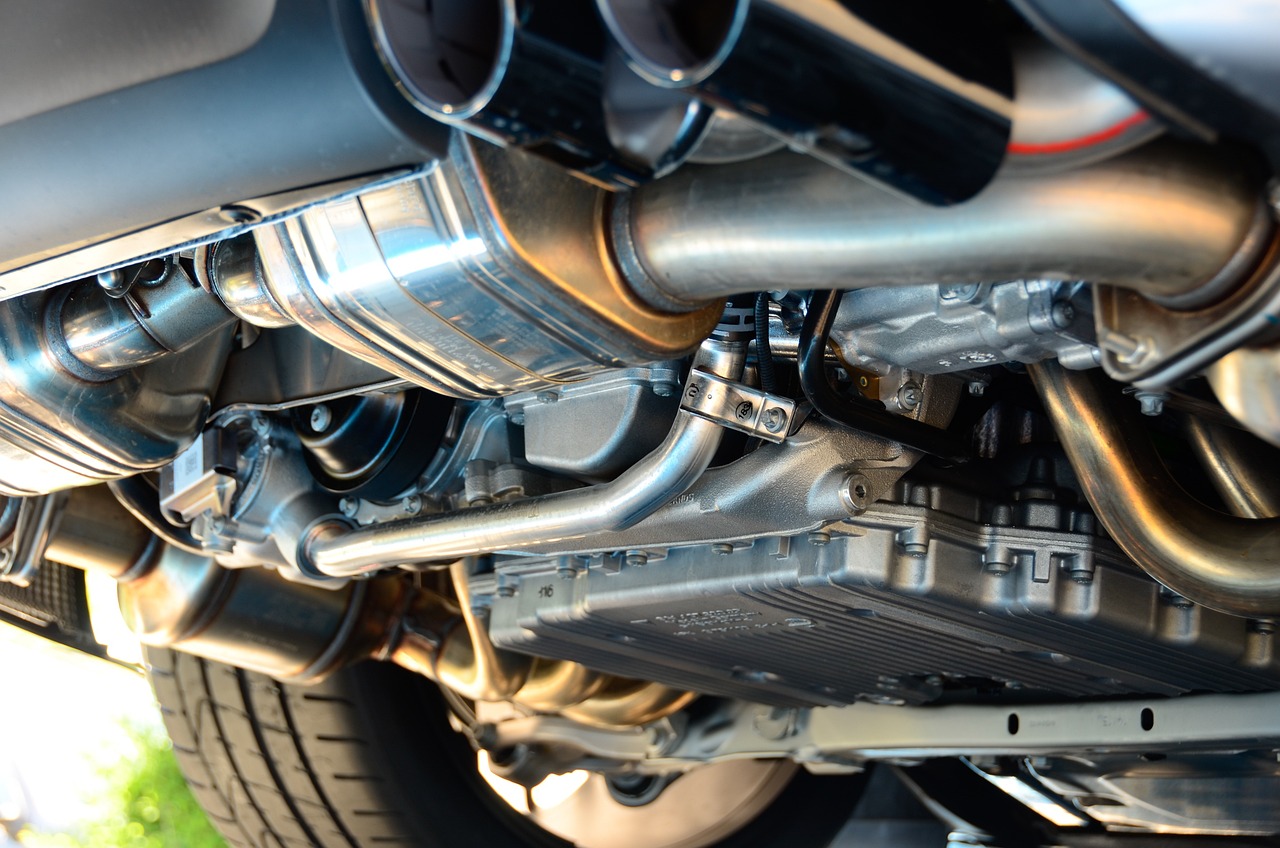
Today, we’re diving into a crucial yet often overlooked component of your vehicle’s engine: the exhaust manifold. While it may seem like a small part of the overall system, the exhaust manifold plays a vital role in your vehicle’s performance and efficiency. One of the most significant issues that can arise with exhaust manifolds is cracking due to excessive heat. In this article, we’ll explore why this happens, the signs of a cracked manifold, and what you can do to prevent it.
Understanding the Exhaust Manifold
The exhaust manifold is a key component of your vehicle’s exhaust system. It collects exhaust gases from the engine’s cylinders and directs them into the exhaust pipe. Typically made from cast iron or stainless steel, the manifold is designed to withstand high temperatures, but it is not invincible. Over time, exposure to extreme heat can lead to cracks, which can result in a host of problems for your engine.
Why Do Exhaust Manifolds Crack?
1. Heat Cycling
Every time you start your vehicle, the engine heats up, and the exhaust manifold expands. When you turn off the engine, it cools down, causing the manifold to contract. This constant cycle of heating and cooling can create stress on the material, leading to fatigue and eventual cracking. If you frequently drive short distances, your vehicle may not reach optimal operating temperatures, exacerbating this issue.
2. Poor Engine Performance
An engine that is not running efficiently can produce excessive heat, putting additional strain on the exhaust manifold. Issues such as a malfunctioning fuel injector, clogged air filter, or faulty spark plugs can lead to incomplete combustion, resulting in increased exhaust temperatures. If your engine is running hotter than usual, it’s essential to address the underlying issues promptly.
3. Corrosion and Wear
Over time, exposure to moisture, road salt, and other environmental factors can lead to corrosion of the exhaust manifold. This deterioration weakens the metal, making it more susceptible to cracking under high temperatures. Regular inspections and maintenance can help identify signs of corrosion before they lead to severe damage.
4. Manufacturing Defects
In some cases, a manufacturing defect may predispose an exhaust manifold to cracking. Inconsistent material thickness, poor welding, or improper casting can create weak points in the manifold. If you suspect a defect, consult a trusted mechanic for an inspection.
Signs of a Cracked Exhaust Manifold
Recognizing the symptoms of a cracked exhaust manifold is crucial to preventing further damage.
Here are some common signs to watch for:
- Loud Noises: A cracked manifold can create a loud, hissing or tapping noise as exhaust gases escape. This noise is often more pronounced during acceleration.
- Decreased Engine Performance: A cracked manifold can lead to a loss of power, reduced fuel efficiency, and increased emissions. If you notice a drop in performance, it may be time to investigate further.
- Check Engine Light: A malfunctioning exhaust system can trigger the check engine light on your dashboard. If this light appears, don’t ignore it—get your vehicle checked by a professional.
- Exhaust Leaks: Inspect for visible signs of exhaust leaks, such as soot or discoloration around the manifold area.
Preventing Exhaust Manifold Cracks
While some factors are beyond your control, there are steps you can take to minimize the risk of cracking:
- Regular Maintenance: Schedule regular engine tune-ups and inspections to ensure that all components, including the exhaust system, are functioning correctly.
- Address Engine Issues Promptly: If you notice any signs of poor engine performance, have them diagnosed and repaired as soon as possible to prevent overheating.
- Use Quality Parts: When replacing your exhaust manifold or any related components, choose high-quality parts to ensure durability and longevity.
- Monitor Driving Habits: Avoid excessive idling and short trips that prevent your engine from reaching optimal temperatures.
A cracked exhaust manifold can lead to significant engine problems if left unaddressed. By understanding the causes and symptoms of this issue, you can take proactive steps to protect your vehicle. At HCS Auto Repair, we’re dedicated to helping you keep your car running smoothly and efficiently. If you suspect that your exhaust manifold may be cracked or if you have any questions about your vehicle’s performance, don’t hesitate to reach out to our experienced team.
Your car deserves the best care, and we’re here to provide it!